---
title: Ep 16 — Terri Meier
description: Terri Meier joins Shawn Gretz to discuss patient access as pre-billing, revenue integrity, and the growing role of AI in revenue cycle management.
image: https://insights.getixhealth.com/hubfs/TM_TERRI_YOUTUBE-1.png
---
[Skip to main content](https://insights.getixhealth.com/podcast/ep-16-terri-meier#main-content)
[](https://insights.getixhealth.com/)
- [Solutions](https://getixhealth.com/solutions.html)
- [Patient Access](https://getixhealth.com/solutions/patient-access.html)
- [Eligibility & Enrollment](https://getixhealth.com/solutions/eligibility.html)
- [Workers’ Compensation](https://getixhealth.com/solutions/workers-compensation.html)
- [Insurance Resolution](https://getixhealth.com/solutions/insurance-resolution.html)
- [Medical Coding](https://getixhealth.com/solutions/chart-coding-audits.html)
- [Early Out Self Pay](https://getixhealth.com/solutions/self-pay-patient-billing.html)
- [Professional RCM Services](https://getixhealth.com/solutions/professional-rcm-services.html)
- [Insights](https://insights.getixhealth.com)
- [Company News](https://insights.getixhealth.com/company-news)
- [Blog](https://insights.getixhealth.com/blog)
- [Podcast](https://insights.getixhealth.com/podcast)
- About
- [Our Company](https://getixhealth.com/about.html)
- [Our Technology](https://getixhealth.com/technology.html)
[Let’s Talk](https://insights.getixhealth.com/podcast/ep-16-terri-meier#gh_form_id)
https://youtu.be/TFgVJg3NerQ
GetixHealth Podcast
# Ep 16 — Terri Meier
 Alex Oey · October 22, 2026
[Watch on YouTube](https://youtu.be/TFgVJg3NerQ)
Transcript — follow along with the video
Terri Meier
| 0:00 | Yeah, that's a little bit of an interesting story. I had the opportunity to be part of the academic acceleration, you know, in my elementary and middle school and had the opportunity to graduate high school a little early. And my mother was a single parent of four kids. And so my graduation present from her was a gray suit and an interview at Memorial Hospital. |
| --- | --- |
| 0:31 | It was where she she was working at the time. So, yeah, she she she needed some help. |
| --- | --- |
Shawn Gretz
| 0:50 | Welcome to the Reframe podcast, where we talk to leading industry experts in the revenue cycle. Today, I am excited to have with us Terry Meyer. Terry comes from the University of Arkansas, and she is the assistant chancellor of the revenue cycle at the Arkansas team. So welcome, Terry, and thank you. Yeah, today's I'm excited for and I'm excited for, because I think this is a story that a lot of people need to hear in this industry and talk through how people get up and promoted in organizations. |
| --- | --- |
| 1:20 | So, Terry, tell me this. You and I had this conversation previously. You started when you were 15 years old, which first of all, wow. Second of all, tell us how you got started in cycle. |
| --- | --- |
Terri Meier
| | Yeah, that's a little bit of an interesting story. I had the opportunity to be part of the academic acceleration, you know, in my elementary and middle school, and had the opportunity to graduate high school a little early. |
| --- | --- |
| 1:55 | And my mother was a single parent of four kids. And so my graduation present from her was a gray suit and an interview at Memorial Hospital. It was where she she was working at the time. So, yeah, she she she needed some help. |
| --- | --- |
Shawn Gretz
| 2:19 | Fantastic. So your mom pulled you into this industry, and he started at the age of 15, graduating high school already. What was that first position? |
| --- | --- |
Terri Meier
| | I was a file clerk. So, I mean, really, really started from the bottom up. And then, you know, as positions came available, you know, applied for them because I wanted to, you know, to continue to grow. It was so funny. Had cashier job opened up, I think I was right before I turned 16. |
| --- | --- |
| 2:43 | So I went to Harvard College, you know, to take an accounting class, you know, so I'd have some sort of relatable, you know, education background. When applying for the job. And I actually had to have my diploma, but I also had to have a note from my mom that I could stay out past curfew because I was under age to go to go to school. |
| --- | --- |
| 3:05 | So just a very interesting, interesting story on on how I got started. |
| --- | --- |
Shawn Gretz
| | Interesting. I think it's the first time we've ever had the words past curfew available on this conversation, but nonetheless, that's how you had to get started into this industry. And from there, you built yourself this amazing career that spans multiple different organizations. Tell us more about what that journey was and how how you progress throughout the from head cashier to where you are today. |
| --- | --- |
Terri Meier
| 3:36 | Yeah, I mean, I think, you know, my approach to, you know, work and, and the opportunity without an education is that was my resume. I mean, that that was that was how, you know, I got to the next place was, you know, when the rubber hits the road, you know, actually being able to to produce the outcomes that, that were necessary and, you know, just being present, you know, and showing up and doing, you know, my best work because people were watching, you know, so, you know, you had to you had to show up and get that done. |
| --- | --- |
| 4:12 | But, you know, I just I just wanted to continue to grow. And I just kept applying for, for positions. And, you know, even tho qgh I didn't meet the minimum qualifications, that's all I could do is say no, you know, and but at the end of the day, I just had to be happy with myself that that I at least tried, because, you know, you just kind of frame it in your mind, you know, like, well, you know, your loss, not mine. |
| --- | --- |
| 4:40 | Right. So, so I just, I just kept going, and I was fortunate enough. And I think, you know, with having that resume of accomplishments to work for some very prestigious organizations, I was at Oregon Health and Science University for about 12 years, about five years at Stanford Healthcare and then over six at the University of San Diego. |
| --- | --- |
| 5:07 | And now here I'm at that at Arkansas, |
| --- | --- |
Shawn Gretz
| | which is amazing, right? So that's that's four academic medical centers that you went through and grew in each one of those steps. Right? You grew your position, each one of those steps for anybody that's coming into this industry, and maybe they don't have the college degree because that's that's the scenario you found yourself in. |
| --- | --- |
| 5:28 | The were four major academic medical centers that said, you know what? Yes, yes to Terry because she has the experience she has. You probably have more experience because you started obviously, when you're 15 and all the way to now, how do you how would you frame that to someone else that's maybe insane in your position without that college degree? |
| --- | --- |
Terri Meier
| 5:46 | Yeah. You know, and I and I still, you know, I teach still at the, the University of San Diego and, you know, I tell my students because that's what my program is, is just to get those, those, those people started that, that don't have any experience, you know, in, in the front door and, you know, again, passing along that, that message, you know, even if you think you don't meet the minimum qualifications, take your prior experience and then look at the, at the, you know, the job description that that's posted. |
| --- | --- |
| 6:16 | And, you know, create that circle in the middle with your, you know, transferable skill sets. You know, you can you can translate, you know, customer service and, you know, a retail to customer service and health care, you know, so, you know, just think what, what, what can I bring to the table? You know, based on my, my, my prior experience, |
| --- | --- |
Shawn Gretz
| | it's such a fascinating story. |
| --- | --- |
| 6:41 | It's such a I think anybody that has not been in this industry and understands the experience that you bring to the table, would be wowed and have have the ability to work with you because of that knowledge. And and as you said, also be working with the college students in the capacity that you do. Tell us a little bit more about what you do and how you go about that process as well. |
| --- | --- |
Terri Meier
| 7:04 | Yeah. You know, when I was at San Diego, my my boss, you know, I mean, again, you know, filling the pipeline for, you know, patient access. I mean, that's kind of, you know, where it all started because, I mean, it's high turnover, high turnover jobs. And, you know, it's, there's a lot of responsibility. I don't think with, with, with a lot of compensation associated with it. |
| --- | --- |
| 7:28 | And, you know, we wanted to create, you know, knowledge workers, you know, on that front end because I think, you know, I've always thought that, you know, patient access, they should be pre-built. I mean, because that's what they're doing there, responsible for filling out over 50% of the form locators on both the 1500 and the Ubu for and and that's the place of first break. |
| --- | --- |
| 7:51 | You know, they they type a name wrong. That's not, you know, on the cart, on the insurance card, you know, then then we got an eligibility denial, you know. So I mean, it's just so important. So my, my boss at the time, you know, partnered with the Sandy, the extension program at the university and, and built this curriculum because again, I mean, it was a little bit self-serving for us because we were struggling. |
| --- | --- |
| 8:17 | You know, I, you know, those front end, you know, health care workers and, you know, so participated on creating the curriculum, you know, in getting that all all set up. And then when she retired, she, she handed the baton to myself. So I've been I've been carrying on, you know, this course I teach, you know, three it's like revenue cycle one, two, three. |
| --- | --- |
| 8:40 | And then I teach an intensive that, you know, takes those three quarters and kind of crams it all into one. And, and what we were able to do was partner with the unemployment agency called San Diego Workforce in, in San Diego. They invented the students and, and had a grant, you know, to help pay for for the tuition. |
| --- | --- |
| 9:00 | But and and then the surrounding organizations, you know, UC San Diego, of course, being, you know, one on their preferred qualifications for for these positions would indicate, you know, you know, attaining the certificate from this class because they knew the curriculum, they knew what the students were learning and what they were coming, you know, with in what they were bringing to the table. |
| --- | --- |
| 9:26 | So, you know, again, you know, just trying to, you know, create that pipeline for those front line, you know, revenue cycle jobs that are are just they're just hard to fill. |
| --- | --- |
Shawn Gretz
| | It's an interesting approach. I remember one of my HR directors that I had at our organization in America, she always talked about you can you can also post a job out there. |
| --- | --- |
| 9:48 | You can put it on indeed or LinkedIn or wherever you want to put it, but then you're just going to get applications. But what would you really want to do is you want to build that pipeline. And it sounds like that's exactly what you did with that program. In order for you to have the next qualified candidate ready for you when you needed to build that pipeline. |
| --- | --- |
| 10:05 | So think of it holistically. More so. |
| --- | --- |
Terri Meier
| | Yeah. Well, even this year, this this semester, I have a physician from the University of Washington in my class, you know, and he's saying, you know, I think I know I should be collecting more money. I need to understand the revenue cycle a little bit more to find, you know, understand why I'm not collecting more money, you know? |
| --- | --- |
| 10:25 | So, you know, it attracts it attracts, you know, a wide variety of people, you know, some that have been in some industries for a long time and are wanting to make a change and, you know, health care, you know, those those jobs are, you know, they're pretty, you know, stable for for the most part. And you can go anywhere and get a job. |
| --- | --- |
| 10:48 | You know, you don't have to be stuck and you know where, where you live. I mean, you can now everything is remote. I mean, I live in Oregon and I, you know, I work from home sometimes, but I work for the University of Arkansas. So, I mean, you know, your, your, your options are a lot more, you know, broad than they were before, |
| --- | --- |
Shawn Gretz
| | significantly more broad since Covid has come around and the capability to work other places as, as you said yourself that you're doing it. |
| --- | --- |
| 11:16 | But it's it's still from a, from a story of someone that starting at 15 without a college degree, working your way through multiple different organizations, it's such a success story. And honestly, you should be sharing this more often with folks and in my opinion, because I think it's I think it's it's much needed for our society. Understand that not everything ends with the college degree has to require you to get any position. |
| --- | --- |
| 11:41 | You can come up and build yourself in any industry, whatever it is. And revenue cycle is one in particular. The wealth of knowledge that you have inside your head could probably write multiple books and or teach college provides you do today, and it's great that you're sharing and giving back to that. Next generations as well, is by taking the education that you have and giving it to them as well. |
| --- | --- |
| 12:02 | So I appreciate that and |
| --- | --- |
Terri Meier
| | I can't I can't tell you how gratifying it is. You know, after my students have graduated and, you know, they emailed me back and say, thank you so much for everything that you taught me. I got a job. You know, I mean, there is nothing more fulfilling than that. |
| --- | --- |
Shawn Gretz
| | I'm sure I'm sure that I'm sure that just warms your heart every single time you get it, |
| --- | --- |
Terri Meier
| | that I can contribute to that person, you know? |
| --- | --- |
| 12:30 | You know, starting of their career, you know. |
| --- | --- |
Shawn Gretz
| | So we talked a lot about your story and how you came into the industry. Let's start talking about some of the success stories that you've had throughout your years of experience as well, because I think there's a lot to be said with that as well. So tell us some of the things that you're most proud of that you came that you developed in the world. |
| --- | --- |
Terri Meier
| 12:54 | Well, I can start, you know, here at Arkansas, I mean, with everything that I've done in my past. And, you know, that's what kind of led me here, wanting to contribute at a, at a higher level and hitting some glass ceilings, you know, especially on the West Coast and Arkansas. You know, we we did their minimum qualifications to, to hire me here. |
| --- | --- |
| 13:16 | So just just very grateful with with that. But and I think that's why, you know, this opportunity was, you know, so attractive to me because I, you know, looking at the state of the things here at Arkansas, I was I thought I could you know, I'm later in my career, you know, I could make the most difference and, you know, leave this place, you know, at least better than I found it. |
| --- | --- |
| 13:41 | And I think some of the things that that I did right away here is, you know, again, coming in kind of doing a, you know, down and dirty assessment of the, of the operations, but, you know, looking at, you know, their people process and technology. I mean, they were a little behind in their epic versions and they didn't have some of the industry standard, you know, safety net technologies that that, you know, most organizations have because we, you know, we only have so many people. |
| --- | --- |
| 14:09 | There's so many hours of the day, you know, it's like, what do you do first, second and third? So you got to have, you know, some of those safety net technologies. So got that, you know, got that, you know, short up a little bit, you know, started infusing some cash. But then the change healthcare you know outage happened. |
| --- | --- |
| 14:25 | And that kind of put us back a little bit. But you know, started you know, really looking at the revenue, you know, the middle revenue cycle, you know, because it really is, you know, the quality and compliance, you know, arm of the organization and, you know, and these days, I think it is truly where prevention happens. |
| --- | --- |
| 14:48 | I mean, you know, they you know, they didn't have a charge capture policy, you know, nor an infrastructure for, you know, charge capture and reconciliation. So got that in place, you know, really got some technology to, to leverage to help them with strategic pricing and price transparency. You know, looking at the denial prevention team, you know, hired an informant, assist, you know, with epics, you know, coming of the slice or dicer. |
| --- | --- |
| 15:16 | And I mean, data drives, discussions, you know, and data can drive decisions as well. And, you know, arming with my team members with you know, that that because that knowledge is power in a discussion with the service line and especially when you're asking them to to do things a little differently, that doesn't always go over so well. But, you know, just starting there and I think, you know, looking at our, our epic and making sure that we're taking advantage of, of the functionality in place and things and, and I think that's what, you know, led to, you know, unfortunate thing would change healthcare. |
| --- | --- |
| 15:56 | But, you know, working with getting the things in place to to recover from that and, and collect that, you know, that outstanding cash and things like that was a true testament to I think the entire team here at, at at New Amos, I don't think I've, I worked with, you know, a, a group of individuals that are so dedicated to this organization and even up to the, you know, the executives in the C-suite. |
| --- | --- |
| 16:24 | You know, I get an audience with them every two weeks. And and we just talk about revenue cycle. And it's not like, you know, what are you doing about this? What are you doing about this? It's truly what do you need, you know, which is such a different conversation. So, at San Diego, I when I started there, my, my going coming from Stanford, I was over, you know, the HB and the PB, you know, building back end stuff and then kind of San Diego was looking to implement their single billing office. |
| --- | --- |
| 16:53 | I think they had tried to do that for ten years and were unsuccessful. So I kind of took a smaller role there. But when in your career do you get to build a department from scratch, implement the technology, create the culture. And, you know, San Diego wanted, you know, that patient financial experience to be truly a differentiating factor between them and, you know, sharp and scripts that are basically across our parking lot. |
| --- | --- |
| 17:20 | Right. You know, I mean, what what makes us different and, you know, that last impression on the patient when it comes to the bills is is definitely a place to, you know, to put some effort in, you know, that that that success actually led, you know, to my being able to be the SBO best practice leader for epic. |
| --- | --- |
| 17:38 | So I, I hold a monthly call, you know, with all the other organizations on SBO and, and we trade information and, you know, those things they weren't in place, you know, before epic I mean, you know, even healthcare, it's very competitive between, you know, other organizations. And I think sometimes there is a hesitation to to share, you know, so when I'm like, like I have a problem here, I'll go out on the user web, you know, and look at all the past presentations. |
| --- | --- |
| 18:12 | And if, if somebody, you know, solve that problem then I'm, I'm taking it, you know, I mean, let me do the same thing. Let me reach out to them. What are your lessons learned? So I mean, it's truly a great experience when you can sit in a room with other, you know, other, you know, you're not coworkers, but your colleagues and, and really have a conversation about, you know, fixing something. |
| --- | --- |
Shawn Gretz
| 18:39 | There's so much I could peel apart there. But, Terry, just thinking about this holistically, about the things that you've done. So tell me more about the people process of technology at Arkansas. First, we'll start there and talk through some of the other things you brought up as well. How did you come to the realization that it's not just one thing that you've solved for you have to solve for all three of them, correct? |
| --- | --- |
Terri Meier
| 19:00 | Yeah, yeah, yeah. I think for me, I'm some of my direction right now. I just did my strategic plan for the next, you know, couple of years. And it really is redefining, you know, the burden, especially with the introduction of all the AI technology and, you know, some of the machine learning and the and things and, you know, so, so how do you balance all of that? |
| --- | --- |
| 19:24 | But then, you know, retain your, your team and the knowledge that they have, you know, then to take them from doing those repetitive just transactional and then, you know, moving them more into a critical thinking role. And I think that's that's the journey that, that we're on now. Arkansas, you know, has taken a an approach to AI or a state, you know, entity. |
| --- | --- |
| 19:50 | So I mean, some of their, you know, state regs are really for state entities, but there has to be in using that automation. There has to be a human in the loop. You know, and like I said when I came here, I put in some of those safety net technologies, and one of those was autonomous coding. And unfortunately, I had to pull it out because there was no there was no human in the loop. |
| --- | --- |
| 20:16 | So it really, you know, has you looking at things from a different perspective that, you know, because the state, you know, has these regulations, then I really need to look at the holistic complement of the people, the technology and the process and, and make those investments. I, you know, one of my team members, I sent them to class to get their green belt in Lean Six Sigma because, you know, some of that transformation, you know, looking at our processes, you know, documenting what our current state is looking at, you know, the functionality that's, that's available and, and what's, what's coming like from epic and, and plot out that, you know, roadmap on on how to, |
| --- | --- |
| 21:03 | you know, create those, you know, better efficiencies. I think I know I wrote down this quote that I heard and it was like, oh my gosh, that is just so what I'm doing. It's going from burden to bandwidth. And I think, you know, we're growing, you know, and we want to do you know, we can't just continue to throw bodies at it. |
| --- | --- |
| 21:25 | I mean we've got to have that that complement to have some sort of, you know, sustained scalability to, you know, as, as we grow. So it really is, you know, redefining that burden. And what do we what do we not have to do? And, you know, leave up to that technology. But but what is that human compliment? You know, that that I'm going to bring into the equation. |
| --- | --- |
Shawn Gretz
| 21:50 | That's fantastic. Burden to bandwidth is something that will stick with me |
| --- | --- |
Terri Meier
| | yeah, I know I heard it, I heard it on something and I was like, oh my gosh, I wrote that down. I was like, that's exactly what we're trying to do. You know, payers are getting more, more complex. I mean, like I was on my, my LinkedIn over the weekend and I can't tell you all the people that are commenting on, you know, that Blue Cross, Blue Shields, you know, report on, oh, we're adding $100 million to, to the cost of health care and, and unfortunately, well, I mean, maybe fortunately, if you look at the back, University of Arkansas is |
| --- | --- |
| 22:28 | one of the organizations that they named, you know, in in the interesting. Yeah, because of our use of, you know, prebuilt CDI technology, you know, and, you know, they they're using, you know, AI, you know, to its fullest extent and I think and then some. Oh, yeah. And you know, once now when we're getting on the bandwagon it is like oh oh wait. |
| --- | --- |
| 22:56 | Yeah yeah yeah yeah. Hold on here. But the thing is that documentation was there. You know, we didn't create that documentation. It is just, you know, the AI is just bringing to light those very, you know, idiocies that a human may miss. Yeah. But you know, and then they said, oh, we're not doing anything different to the patient, you know, from a, you know, health care delivery perspective. |
| --- | --- |
| 23:27 | No, probably not, because we've already we've been doing it all all along. You know, for, for these same conditions, we they were just omitted from the conversation, you know, now now we're getting to a point where we can actually communicate, you know, the, the, the care that we deliver to this individual and, and, and how sick that individual was, you know, when they came to see us. |
| --- | --- |
| 23:52 | So, just just very interesting. I know today I just looked in my emails and some of our payers are actually wanting me to, you know, document the technology that I'm using, even even the vendors that I'm using that are using technology, you know. And so where do you think that they're going with that? Oh, contract language, you know, so we healthcare we've got to be able to to fight that. |
| --- | --- |
| 24:20 | You know, you know if if I can't use it then you can't use it either, you know and yeah. And and so I think, I think that's, that's kind of, you know, where some of the fight is going, |
| --- | --- |
Shawn Gretz
| | you know, directionally when you think about this. Right. So that Blue Cross Blue Shield study where it talks about the capability for a person to actually get built, exactly what they provided or the services they provided, and it's in hospitals are becoming more sophisticated. |
| --- | --- |
| 24:46 | Going back to, as you said, insurers have been sophisticated in this realm for quite some time and are able to actually probably spend more money and more effort energy on it. What do you think? Do you think the outcome is going to be this? Those that actually don't implement that technology will actually get more directionally, health systems. |
| --- | --- |
| 25:09 | They might actually get more business because the insurers are going to push it to the people that didn't implement the technology, which is going to be an odd place for us to be. |
| --- | --- |
Terri Meier
| | Yeah, I mean, it theoretically. Yeah. I mean, anything is possible. I mean, but I mean, we've just got to have the, you know, the fight to challenge them. |
| --- | --- |
| 25:30 | I mean, you know, they can't use it if we can't use it. I mean, and I mean, where does it say that's fair, right. No. Yeah. Yeah. So yeah, it's going to come down to, you know, you hear all when you're in these conferences and things. So it's the battle of the bots. And, you know, I think our bots are, are beaten them. |
| --- | --- |
| 25:53 | And now, now they're trying to fall back on, you know, some other type of tactic to, to prevent us from, you know, being more efficient and getting, getting really getting paid for for what we delivered. I mean, they had our documentation all along. They didn't call it twice attention that we we missed something. Right. You know, now now that we've found it, now it's a problem. |
| --- | --- |
Shawn Gretz
| 26:15 | No, no, it's a problem because it's building more than what they anticipated. And their numbers are not looking great. Is that that's the and that's a look. And each one of our facilities that I work with, they're operating in on the thinnest margins at the apps. |
| --- | --- |
Terri Meier
| | Absolutely, absolutely. I mean we're just we're just we're telling the complete story now. |
| --- | --- |
| 26:35 | Yes. That's where we may not have, you know, told it that quite that way in the past. |
| --- | --- |
Shawn Gretz
| | That's a great way to frame it. That's the complete story to the health system or to the payers. We're telling them the ending of whatever that ending is for that patient and getting it built correctly. And us as a organizations are getting built correctly. |
| --- | --- |
Terri Meier
| 26:55 | Well, it's very interesting because what's not in the conversation is the quality outcome that that patient had by us delivering that care. Yeah. Yeah. That's that's I didn't see that in the article. No. That all come is not written at all for that patient. Get readmitted in 30 days. No. You know, did they get to return to their job and, you know, and their problem is solved? |
| --- | --- |
| 27:19 | Probably. Yeah. Yeah. But that that's not that's not part of the story. I mean, that's that it needs to be I think that's where, you know, some of, you know, going from where we're at to more, you know, value based care might, you know, give us the opportunity to tell those kinds of stories as well. |
| --- | --- |
Shawn Gretz
| | I read a quote I read a LinkedIn post this weekend. |
| --- | --- |
| 27:39 | I think it was this weekend by Scott Becker. Are you familiar with Scott Becker? I'm sure everyone knows Mr. Becker, and he was talking about the triple aim and how the triple aim has went away from where, |
| --- | --- |
Terri Meier
| | and we haven't heard that in years. |
| --- | --- |
Shawn Gretz
| | Now, know the value based care, the capability for us to, to to really and it feels as though we've either lost direction or lost loss. |
| --- | --- |
| 28:04 | That is not the you know, that's no longer our target. I think it needs to be brought back up. |
| --- | --- |
Terri Meier
| | Yeah. Because I think I think in that context, the use of AI has a whole different, you know, complement to, to, you know, the, the surface. Right? I mean, because we're using it to do a better outcome. That's what we're doing today. |
| --- | --- |
| 28:26 | But, but, but the business model is just not, you know, in a place where it's accepting of that. Right. But I think, you know, from a value based perspective, you know, because if if we use the AI and we can better, you know, you know, catch a sepsis or, you know, or something that would prevent, you know, a higher medical bill, you would think that that would be something, you know, that that of interest to the pair, but whole different context. |
| --- | --- |
| 28:57 | I mean, you're because because then you're sharing you're sharing that risk pool. And, you know, I mean, you're a partner in a different sense than we are now. |
| --- | --- |
Shawn Gretz
| | Exactly. Interesting. Well, where do you think we're going with AI? Where do you think the, you know, from you talked about from burden to bandwidth, where do you think it's going to be, you know, five years from now? |
| --- | --- |
| 29:19 | Are you working on your strategic plan? It sounds like that's I'm sure that's part of it. And maybe five years might be too far down because frankly, we probably can't think five years down the road what we're going to. I wouldn't have guess where we are today five years ago with AI. |
| --- | --- |
Terri Meier
| | Yeah, especially with our, you know, you know, state and federal, you know, legislature, I mean, that that's going to pay a big roll a bit. |
| --- | --- |
| 29:40 | I think, you know, with AI, I'm hoping that it will allow me to build a more agile workforce internally so that I can, you know, ebb and flow with the with the external environment, you know, with with epic, you know, they do every quarter these, these different updates. I mean, for, for us it's really putting in that infrastructure for, you know, more analytics, you know, change management I mean because that's that I think that's that's going to be the thing first and foremost with the workforce, you know, what are the additional or you know, opportunities to, you know, educate and leverage your team in different capacities. |
| --- | --- |
| 30:26 | So I think those those are some of the things that that are changing for us, at least. |
| --- | --- |
Shawn Gretz
| | You just gave me something that's really interesting when I think about this from a people perspective and really thinking about this through really what we need to do at some point is and maybe this is again, back to the change management. |
| --- | --- |
| 30:44 | Let's go back and look at those job descriptions and say to ourselves, what part of this is going to be AI driven in the future? And we're going to redefine that position, that change management for those people, because obviously they're talented individuals that have the understanding to be able to level up, most likely to get to that complexity from a perspective, but just pulling the job descriptions and running through them and saying, what will be here next year, what will will be replaced by AI in the next 3 or 5 years, might be a good strategy for all of us to sit back and think about. |
| --- | --- |
Terri Meier
| 31:17 | Yeah, I know one of the in trying to leverage, you know, from an education perspective, you know, our end users are just, you know, sit down, heads heads down, you know, doing their work. And you know, what opportunities can can we develop for them, you know, to bring them along with us on this journey? And I'm just starting to implement, you know, a super user team, you know, to to get those, you know, frontline workers involved in, you know, understanding how, you know, the new functionality works, you know, what needs to be in place so we can, you know, provide oversight, you know, of of that activity and, you know, have them develop, you know, |
| --- | --- |
| 31:54 | what does that workflow look like? You know, when we're fully functional on on all of this technology, but, you know, instead of kind of like, you know, these top down, you know, flip it and from bottom up, you tell me this. I mean, because at the end of the day, the fundamentals haven't changed. We need to get a claim of all the things that we did to the insurance companies so we can get paid. |
| --- | --- |
| 32:17 | I mean, that's like kind of like when I look at my curriculum for my, my class, those fundamentals haven't, haven't changed. So what's changed is how we do that, how we accomplish that. And you know, we got to keep up on on that education. So so really transforming, you know, our workforce to, you know, here, use this work, this workflow and this is what you do every day step by step. |
| --- | --- |
| 32:41 | It's like, no, you know that that is what it is. But tell me, you know, what does it need to look like? How can you better do this job? You know what can what kind of barriers can I get out of your way? What is frustrating you when you come in and you have to sit down and and do this work in the morning. |
| --- | --- |
Shawn Gretz
| 32:59 | I love that, Terry. The bottom up mindset to understand that the the best person to change your process is the person that's doing the process today to rewrite the the SOP, rewrite the workflows and design of it, and then really challenge them to think outside the box because they're the ones that should be solving for whatever that is in order for you to think through it as well. |
| --- | --- |
| 33:21 | That's a that's a great mindset that a lot of people probably need to adopt in order to continue to grow their organization, because then you build up that level of talent as well, and you keep on growing those individuals. And frankly, once, as you talked about, you took a step down to go to the SBO side of things at. |
| --- | --- |
| 33:39 | But that step down was probably powerful for you to build up again because you looked at it from a different lens. |
| --- | --- |
Terri Meier
| | Oh, yeah. I mean, one of the things that you asked me earlier on what things were was I'm most proud of, you know, when I was doing the SBO, I hired a team member. She was a dental hygienist. |
| --- | --- |
| 34:01 | I mean, worked in the, you know, and then, you know, managed the dental office and again, looking at those transferable skills, right? I mean, you submit a claim to the insurance company and you you expect to get paid, brought her over and, you know, through through mentorship and opportunity and things there within five years, she, she, she fell into my role when I left. |
| --- | --- |
| 34:25 | And you know, and to take somebody, you know, a dental hygienist and in five years she's, you know, the system director of of, you know, patient financial services. Yeah. I'm quite proud of that. You know, developing organizational talent, I think is one of those things that that we, we've lost touch with at times. |
| --- | --- |
Shawn Gretz
| | I completely agree with you. |
| --- | --- |
| 34:49 | I think that is probably when I look at organizations even in, you know, I close to 400 clients when I went and looked at other organizations and I go in and talk about secession planning, I think rep cycle has done not as good a job as what we could have. And it sounds like you did for the taking a dental hygienist, moving into a director. |
| --- | --- |
| 35:11 | That is exactly what we need to be thinking about. And how do we grow the talent that we have internally, regardless of where they came from, what position they are in, because there is a lot of talent and, you know, it's going down to the level I used to. I used to love having lunch when we were in person, and I would go sit in a different table every single day because I want to be introduced to the entire organization. |
| --- | --- |
| 35:35 | I want to know who was, you know, who did. And we'd always have this question to in our in our leadership meetings is who's impressing you on your team that I need to talk to because I may not see it to all the time, but if I can talk to someone that's brand new, impressive, I'll look up that person and then I'll even send them a little message via teams now and say, you know, I hear you're doing great things. |
| --- | --- |
| 35:58 | Yeah, I'd love to talk to you someday. Would you like to have lunch together type of scenario. But that's how all of us continue to grow their organization. So it sounds like you've done that really well. |
| --- | --- |
Terri Meier
| | Yeah. When I was at Stanford, I mean, there were a huge, huge lean, you know, organization. I mean, you know, we had standard calendars and, you know, you know, requirements where our, you know, bonus structure was was dependent on it. |
| --- | --- |
| 36:21 | And, you know, just those gemba rounds, I mean, you just you don't learn you don't learn anything, board you, then you can get out of a jump around it. If they're, they're they're truly amazing. You just got to ask the right questions. I mean, and you have to have, you know, team members that are, that are forthcoming enough, you know, and that's when it all works. |
| --- | --- |
Shawn Gretz
| 36:40 | All right, Terry, so some people may not know the word gemba. It's a fantastic organizational structure or lean principal. Can you tell us a little bit more about give us. |
| --- | --- |
Terri Meier
| | Yes. It's going to where the work is done, you know. Yep. You you know, sitting with you know, I think that's one thing that I do, I kind of bring to, to my position here to in working my way up. |
| --- | --- |
| 37:01 | I've done these jobs, you know, so when I'm sitting with somebody and trying to understand, you know, what their pain points are, you know, with the workflow, it's like, I can envision that in my mind because, because, because I've actually done it. And I think that's why those, you know, some of those conversations are, you know, lead to some of the best change, you know, is going to where the work is done and having, you know, that end user tell you what their pain points are. |
| --- | --- |
| 37:28 | You know, that's my job. I mean, my my whole job is, you know, remove barriers so people can do their best work. And that's what I come to work every day hoping to accomplish. |
| --- | --- |
Shawn Gretz
| | If there was one thing I would leave with the individuals that maybe if you're new to a position, a rep cycle, and maybe you were your college graduate that got put into a business and director, go toward the work is done, go do the job for a day and see what it's like to get the feeling for it as well. |
| --- | --- |
| 37:56 | Or sit behind and shadow and pay attention to everything they do and ask the questions, oh, why are you doing that? Don't tell me understand what this part is. Maybe you can't do the sometimes you can't do the job. |
| --- | --- |
Terri Meier
| | I just tell, just train me. Just hire. I'm a new. I'm a new, you know, employee. Train me to do what you do. |
| --- | --- |
Shawn Gretz
| 38:12 | That is another great one, right? Say, I'm going to go through the training this time, and I want to see what the training is and learn that because that is such an important piece of the rep cycle is how are your new hires getting trained? Are they this you know, if someone says to you, go, there's going to sit upon me and shadow me for a day, and then we're going to get them live. |
| --- | --- |
| 38:31 | And it's like, okay, that's not training. That is. |
| --- | --- |
Terri Meier
| | Yeah, yeah. Did like clicking the buttons, but but why are you clicking that button? What are you hoping to accomplish by clicking that button? |
| --- | --- |
Shawn Gretz
| | Yeah. One of the things we love to do is and this is from a collection role we'd actually have, individuals would be one person be doing the keystrokes, the other person would be doing the talking. |
| --- | --- |
| 38:54 | So then it would be asking the questions the other person and then flip those situations around. So vice versa. So the person would be talking, the other person would be doing the keystrokes because it's one thing to talk and type. It's another thing to get those two relayed together. That was always part of our training in order to build the best teammates that are on the phones. |
| --- | --- |
Terri Meier
| 39:12 | Yeah, and with lean, there's a thing called Teach back. You know? You know, you've accomplished something. If that end user can teach you back what what you just taught them. |
| --- | --- |
Shawn Gretz
| | That is another fantastic. Terry. You're giving us nuggets left and right here in part it's part of the your your obviously your passion for this. You're teaching of it and really working with multiple different organizations as well. |
| --- | --- |
Terri Meier
| 39:35 | That's what I wanted to be when I grew up as a teacher. And this is the the, the, the next best, if not a better thing. So. |
| --- | --- |
Shawn Gretz
| | Oh, there's a, there's a great book and I'm blanking on the name of it, but it talks about when you get to that age, when you want to give back. |
| --- | --- |
| 39:52 | And giving back is part of is sharing the knowledge and wisdom that you gained over the years. I think that's something that you have done in spades. And I it's just fantastic that you're doing that. So if there was one thing you wanted to leave our audience with to end our our conversation in podcast, because I, we could I probably could spend another 2 or 3 hours with you and we could talk through many different things. |
| --- | --- |
| 40:15 | But if there's one thing you wanted to leave the audience with, what would it be? |
| --- | --- |
Terri Meier
| | Just be a lifelong learner. I mean, things are changing now at a rapid pace. And like I said before, I think knowledge is power. And just being a lifelong learner just, you know, thinking that, you know, oh, I made it. Now I can, you know, just kind of sit here for a little while. |
| --- | --- |
| 40:37 | No, you got to continue learning. I mean, I wake up in the morning and just start reading, you know, listservs and newsletters and things just so I can prepare myself. So. So I can help my team, you know, just give them those things that they need to do their best work. I mean, your your team is, you know, your best asset, you know, and I think there was I heard this one thing on top that kind of stood out to me. |
| --- | --- |
| 41:08 | This was said by this Marcus Samuelsson, you know, from a, you know, innovation perspective, it says, you know, he can't eat an idea. He can only eat what was executed. You know. So, you know, just just teaching your team, just continue to have learn and and be creative. And you know, they say think outside the box. Well think that there's no box. |
| --- | --- |
| 41:32 | Why should there be a box? I mean, you know, let me know how best it works for you and so we can get it done. |
| --- | --- |
Shawn Gretz
| | Well, Terry, I truly enjoyed our conversation. Thank you so much for joining us on the Refrain podcast. I'm excited for the listeners to hear your story. |
| --- | --- |
Terri Meier
| | Oh, well, I appreciate the opportunity. Thank you so much. |
| --- | --- |
Executive summary
In this episode of RCM Reframed, host Shawn Gretz, President, Sales and Marketing for GetixHealth, and Terri Meier, Assistant Chancellor of Revenue Cycle at the University of Arkansas, explore Terri’s inspiring journey from file clerk at age 15 to healthcare executive. They discuss the importance of mentorship and workforce development, balancing people, processes, and technology, leveraging artificial intelligence to move from burden to bandwidth, navigating payer challenges, and empowering frontline employees to drive meaningful operational improvements, and more!
## Key takeaways
- A human-in-the-loop requirement forces human oversight of an AI-enabled workflow rather than allowing it to operate fully autonomously.
- Arkansas state regulations covering state entities require a human in the loop for AI use, which disqualified an autonomous coding tool at the University of Arkansas after it had already been implemented.
- Autonomous coding is one of the clearest examples of a technology category that can conflict with human-in-the-loop requirements because it is built to run without a human review step.
- Governance and regulatory viability belong on the RCM vendor evaluation checklist alongside performance, integration, and workflow fit.
- Removing an AI tool after purchase creates workflow disruption and lost investment that earlier governance review can prevent.
## More on this topic
[Podcast Episode Beyond Bots: What Rev Cycle Leaders Need to Rethink About AI](https://insights.getixhealth.com/podcast/beyond-bots) [Podcast Episode Turning Coding Needs into Coding Success with AI](https://insights.getixhealth.com/podcast/turning-coding-needs-into-coding-success-with-ai) [Podcast Episode Building Payer Relationships, Aligning Teams, and Preparing for Cybersecurity Threats](https://insights.getixhealth.com/podcast/building-payer-relationships) [Podcast Episode When Financial Counseling Becomes Case Management](https://insights.getixhealth.com/podcast/when-financial-counseling-becomes-case-management) [Podcast Episode Design for the Loops ,Not the Line: Rebuilding Revenue Cycle After a Leadership Vacuum](https://insights.getixhealth.com/podcast/design-for-the-loops-not-the-line) [Article Unlock the Potential of Your Hospital Through a Comprehensive Patient Experience Strategy](https://insights.getixhealth.com/blog/unlock-the-potential-of-your-hospital-through-a-comprehensive-patient-experience-strategy)
### Meet The Host
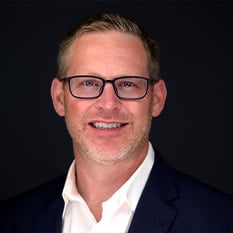
#### Shawn Gretz
President of Sales and Marketing
Shawn Gretz has more than 20 years in the healthcare finance field, bringing a wealth of leadership experience to GetixHealth. As President, Marketing and Sales, for GetixHealth, Shawn helps drive growth for the company. Shawn joined the GetixHealth executive team in 2025 after the company acquired Americollect, which he had led for several years. Shawn is an active volunteer for HFMA Wisconsin, holding several leadership roles, earned his HFMA Fellowship designation in 2020, and has been an active volunteer with AAHAM for several years.
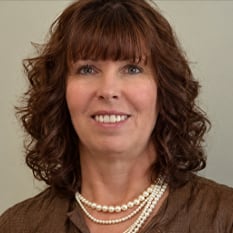
#### Terri Meier
Assistant Vice Chancellor, Revenue Cycle | UAMS
Terri Meier is an accomplished healthcare revenue cycle executive with over 40 years of experience driving performance, innovation, and strategic change. She currently serves as the Assistant Vice Chancellor of Revenue Cycle at the University of Arkansas for Medical Sciences (UAMS), overseeing revenue cycle operations and team leadership. In addition to her executive role, she has served as a Healthcare Revenue Cycle Certificate Instructor at UC San Diego Extended Studies since September 2022. Her deep industry expertise spans revenue cycle operations, healthcare consulting, technology management, Epic system integration, and payment integrity strategies.
#### Let's talk!
Connect with a revenue cycle expert to discover a custom plan to amplify your revenue cycle with our transformative technology and services.
[](https://insights.getixhealth.com/)
14141 Southwest Freeway Suite 300 Sugar Land, TX
United States, 77478
- [Solution](https://getixhealth.com/solutions.html)
- [Patient Access](https://getixhealth.com/solutions/patient-access.html)
- [Insurance Resolution](https://getixhealth.com/solutions/insurance-resolution.html)
- [Chart & Coding Audits](https://getixhealth.com/solutions/chart-coding-audits.html)
- [Eligibility & Enrollment](https://getixhealth.com/solutions/eligibility.html)
- [Self Pay Patient Billing](https://getixhealth.com/solutions/self-pay-patient-billing.html)
- [Workers’ Compensation](https://getixhealth.com/solutions/workers-compensation.html)
- [Professional RCM Services](https://getixhealth.com/solutions/professional-rcm-services.html)
- [Solutions](https://getixhealth.com/solutions.html)
- [Technology](https://getixhealth.com/technology.html)
- [Careers](https://getixhealth.com/careers.html)
- [Contact](https://getixhealth.com/contact.html)
- Learn
- [Blog](https://insights.getixhealth.com/blog)
- [Podcast](https://insights.getixhealth.com/podcast)
### The core behind care.
© 2026 GetixHealth. All Rights Reserved |[Privacy Policy](https://www.getixhealth.com/policy/Security_Privacy_Policy.pdf)
```json
{
"@context" : "https://schema.org",
"@type" : "BlogPosting",
"author" : {
"@type" : "Person",
"name" : "Alex Oey",
"url" : "https://insights.getixhealth.com/podcast/author/alex-oey"
},
"dateModified" : "2026-10-22T17:49:40.946Z",
"datePublished" : "2026-10-22T17:44:23.000Z",
"headline" : "Ep 16 — Terri Meier",
"image" : [ "https://insights.getixhealth.com/hubfs/TM_TERRI_YOUTUBE-1.png" ],
"mainEntityOfPage" : {
"@id" : "https://insights.getixhealth.com/podcast/ep-16-terri-meier",
"@type" : "WebPage"
},
"publisher" : {
"@type" : "Organization",
"logo" : {
"@type" : "ImageObject",
"url" : "https://insights.getixhealth.com/hubfs/1.%20Official%20GetixHealth%20Logo%20_%20Full%20Color.png"
},
"name" : "GetixHealth"
}
}
```
```json
{
"@context" : "https://schema.org",
"@type" : "PodcastEpisode",
"associatedMedia" : {
"@type" : "VideoObject",
"embedUrl" : "https://www.youtube.com/embed/TFgVJg3NerQ",
"name" : "Ep 16 — Terri Meier"
},
"datePublished" : "2026-10-22T17:44:23Z",
"description" : "Terri Meier joins Shawn Gretz to discuss patient access as pre-billing, revenue integrity, and the growing role of AI in revenue cycle management.",
"image" : "https://blog.getixhealth.com/hubfs/TM_TERRI_YOUTUBE-1.png",
"name" : "Ep 16 — Terri Meier",
"partOfSeries" : {
"@type" : "PodcastSeries",
"name" : "GetixHealth Podcast",
"url" : "https://insights.getixhealth.com/podcast"
},
"publisher" : {
"@type" : "Organization",
"name" : "GetixHealth"
},
"url" : "https://insights.getixhealth.com/podcast/ep-16-terri-meier"
}
```