---
title: "The Self-Pay Inversion: Why Your Insured Patients Are Now Your Hardest Collections"
description: In this enlightening episode of RCM Reframed, Chris Spady, Senior Vice President of Revenue Cycle at Erlanger Health, joins host Shawn Gretz, President, Sales and Marketing for GetixHealth, to explain why self-pay is no longer mainly an uninsured balance problem. Their conversation reframes patient liability as an insured-patient challenge shaped by high deductibles and coinsurance, questions who really carries financial risk when claims are delayed, denied, underpaid, or clawed back, and outlines the broader operational redesign Erlanger used to double self-pay collections while expanding charity.
image: https://insights.getixhealth.com/hubfs/THUMBNAIL_CHRIS_SPADY_CHRIS_YOUTUBE.png
---
[Skip to main content](https://insights.getixhealth.com/podcast/the-self-pay-inversion-why-your-insured-patients-are-now-your-hardest-collections#main-content)
[](https://insights.getixhealth.com/)
- [Solutions](https://getixhealth.com/solutions.html)
- [Patient Access](https://getixhealth.com/solutions/patient-access.html)
- [Eligibility & Enrollment](https://getixhealth.com/solutions/eligibility.html)
- [Workers’ Compensation](https://getixhealth.com/solutions/workers-compensation.html)
- [Insurance Resolution](https://getixhealth.com/solutions/insurance-resolution.html)
- [Medical Coding](https://getixhealth.com/solutions/chart-coding-audits.html)
- [Early Out Self Pay](https://getixhealth.com/solutions/self-pay-patient-billing.html)
- [Professional RCM Services](https://getixhealth.com/solutions/professional-rcm-services.html)
- [Insights](https://insights.getixhealth.com)
- [Company News](https://insights.getixhealth.com/company-news)
- [Blog](https://insights.getixhealth.com/blog)
- [Podcast](https://insights.getixhealth.com/podcast)
- [RCM Answers](https://insights.getixhealth.com/rcm-answers)
- About
- [Our Company](https://getixhealth.com/about.html)
- [Our Technology](https://getixhealth.com/technology.html)
[Let’s Talk](https://insights.getixhealth.com/podcast/the-self-pay-inversion-why-your-insured-patients-are-now-your-hardest-collections#gh_form_id)
https://youtu.be/5XSkpFFAtMI
GetixHealth Podcast
# The Self-Pay Inversion: Why Your Insured Patients Are Now Your Hardest Collections
 Alex Oey · September 16, 2026
[Watch on YouTube](https://youtu.be/5XSkpFFAtMI) [Listen on Spotify](https://open.spotify.com/episode/05GQhW2QS6eozXlLsW1S8E?si=dqcO7TpYQsyAcS3u0gn4Ww) [Listen on Apple Podcasts!](https://podcasts.apple.com/us/podcast/the-self-pay-inversion-why-insured-patients-are-now/id1773360167?i=1000789802615)
Transcript — follow along with the video
**Shawn Gretz**(0:03) Welcome to the RCM Reframe Podcast, where we speak to industry leaders in the revenue cycle. (0:09) Today, I'm excited for the conversation that we're about to have because it's one of my favorite topics. (0:15) With us is Chris Spady, who he is the Senior Vice President of Revenue Cycle from erlanger health.(0:20) Welcome, chris, to the RCM reframe podcast.
**Chris Spady**(0:23) Hey, thanks, Shawn. (0:24) I appreciate you having me.
**Shawn Gretz**(0:25) Yeah, my first question, we're going to dive right in because I love this topic about self-pay. (0:30) You've worked in many different environments. (0:32) You've seen self-pay in many different ways.(0:35) What do you think is the biggest change in self-pay problems over the last 5 to 10 years?
**Chris Spady**(0:42) Yeah, I mean, ultimately, it keeps going up, right? (0:45) Everything continues to be shifted to the patient in just huge ways. (0:51) And so it's gone from a difficulty in, I guess, more than 5 or 10 years ago, but a difficulty in patient collections from an uninsured to an extreme difficulty in patient collections from the insured.(1:06) And so that continues to be a challenge. (1:09) We continue to see deductibles go higher and higher. (1:11) And it's tough considering the amount of money people pay in from a premium perspective, and then still have to pay so much before they can get into actually using what they're already paying in.(1:26) So that's a pretty big challenge from a healthcare perspective.
**Shawn Gretz**(1:30) You talked about it, right, Chris? (1:32) Self-pay, deductibles climbing. (1:34) Can we still call it self-pay or should we call it something else?(1:37) Is there a new term we need to create for this? (1:40) Because at this point, I mean, with the number of mortgages and other things that are going on for the industry, is it self-pay?
**Chris Spady**(1:48) Yeah. (1:49) No, I'm not sure. (1:53) I will say this.(1:55) I think the average family premium is now $27,000. (1:59) And that was last year in 25, according to Kaiser, I believe. (2:03) But that's higher than the median mortgage payment in this country.(2:08) And so when between the employer, because of course the employer is picking up 75 or 80% of that. (2:14) And then what the employee has to put in, still have to put $3,000 worth of care before it's covered. (2:22) I think statistics is somewhere between 80 and 90% of people actually never pass their deductible in a given year.(2:29) And so, yeah, it's a tremendous strain. (2:33) You can negotiate rates and everything, but the best of the best are only capturing about 30% of that from the patient side of what you collected. (2:42) And when 80% of your population is not getting past that, it matters.
**Shawn Gretz**(2:48) It's interesting. (2:49) You talk about that. (2:50) 80% of the population doesn't have the ability or means to pay that deductible, right?(2:55) That's what we're seeing. (2:57) I'm seeing it too on our early outside. (2:59) You're seeing it from the provider side.(3:01) Where did we go wrong in that conversation of being, that is the consumer responsibility in healthcare today. (3:08) Is there something we could have changed that would have driven this in a different path instead of laying it so much on that patient?
**Chris Spady**(3:16) There are so many things I think that we could have changed as an industry. (3:20) And it's very unique business model from healthcare and what's happened, especially the premium increase. (3:29) Again, you see this tremendous increase and we can put that on different things, but the reality is money or there's either money changing hands so many times before it gets to the provider or there are gates where it's not changing hands.(3:41) It's very costly. (3:42) And so, I think if a family is paying $27,000, this is Chris's opinion here. (3:49) If a family is paying that kind of money, why does the deductible come up front?(3:53) The deductible kind of come on the back end. (3:56) A lot of the studies actually go back to the 80s that a lot of the payers use. (4:03) It's a RAND study, R-A-N-D, between the late 70s and the early 80s saying that putting financial barriers is actually helpful in the space.(4:16) But the reality is our ERs are full every day, insured and uninsured patients. (4:23) And so, if financial barriers were really changing that, I don't know that that's where we would see the care. (4:31) So again, my opinion, but that's what I think.
**Shawn Gretz**(4:35) That's interesting. (4:36) A 1980 study being utilized to be able to say, it's going to reduce the cost of healthcare if we put more barriers in front of that patient.
**Chris Spady**(4:43) Yeah. (4:43) More recent studies actually show that patients may utilize a little bit more, but cost comes down significantly when they're able to utilize it. (4:52) So, at some point, I trust the doctors here and I get to work very closely with them.(5:00) And that's who I want making decisions in my care. (5:03) And with what we're all paying for, I think there is, to your original question, a much better, a much simpler way to do this.
**Shawn Gretz**(5:14) It's interesting. (5:16) I had this conversation just yesterday on a webinar I was doing in regards to it really, what ends up happening is patients start to delay care. (5:27) And when patients delay care, it becomes even greater in the amount that they will owe to hospital systems.(5:36) Chris, how do you think about that as a person that runs the rep cycle for those individuals that are just delaying until they can't anymore and have to be seen?
**Chris Spady**(5:46) Yeah. (5:46) That's one of the reasons why our EDs are full right there and they're delaying to that point. (5:52) And that's typically not a good, it's not a good patient experience at that point with full EDs and everything.(5:58) And it's not, it's something to put off because I think the average American can afford a $400 to $500 unexpected expense. (6:08) And healthcare, it's the complexity veils a lot of it, I think. (6:13) And they just know I've got a $3,000 deductible or I've got a $5,000 deductible, and I'm going to keep putting this off.(6:22) And so the cost barrier doesn't help, doesn't help the patient anyway. (6:29) It's actually hurting. (6:31) And I think that's what we see time and time again.(6:34) It's just one in $5 almost in this country is spent on healthcare and somehow that's not enough. (6:40) We still have to put these tremendous deductibles in front. (6:44) And it's not just from the premium side, it's from the provider side too.(6:51) Because it is incredibly expensive to chase patients for money that for the most part, we know that they can't afford to pay. (7:03) And we have a very strong charity policy, as do many of our peer hospitals. (7:09) And we do everything that we can.(7:11) And I'm proud of that. (7:11) That is the one thing to be in the healthcare industry to say, hey, we are helping the people who can't afford this. (7:18) We're still here for them.(7:19) And even being on the revenue cycle side, you love to be part of an organization that's doing that anyway.
**Shawn Gretz**(7:29) That's a great point, Chris. (7:31) And I think more hospital systems need to share that as well, because there's a point to be proud of your financial assistance. (7:38) Or even in the sense of, I hate to say it this way, but maybe it is this way.(7:44) The way it is today is that hospitals have become a bank only in the sense of loaning to patients to get care because they had to have a payment plan that is extended out 12, 24, 36 months in order for an individual to qualify. (7:59) At the same time, when I look at the insurers and they're designing these plans with that amount of patient responsibilities, and we in the industry are being the ones that are really being held accountable for the overall cost, it feels like at the governmental level, we're being the ones that are going to be shamed. (8:20) And because our costs are too high, we have to publish the cost.(8:24) We're the ones being shamed that the payment plan has to be a certain percentage of federal poverty guidelines. (8:29) Is there, in my mind, an imbalance between who's responsible for this and should insurers be held more accountable for what they're providing?
**Chris Spady**(8:40) I think it's a great question. (8:42) I probably need to be careful about how I answer this one, but I'll answer it this way. (8:49) I think we misunderstand risk in a really big way in this industry because we think through the fact that, hey, the insurer owns the risk there.(9:01) And I just don't know that that's true anymore. (9:04) Maybe it was never true, but I'm not sure that it's true anymore. (9:07) 70% of commercially insured patients is through a self-funded plan with their employer, so that employer owns that risk.(9:17) And we know the statistics of, hey, 1% of your patients or 1% of the employer group that's in that self-funded group is going to account for about 33-ish percent of the cost. (9:34) That's really expensive. (9:35) Well, what happens to those million-dollar claims?(9:38) What happens to those? (9:39) We know from our side that they get denied, they get delayed, they get underpaid. (9:44) And so from an overall risk perspective, that's kind of where it comes from.(9:49) And so you can have stock loss and you can have protections that you feel like you have. (9:56) But then when we just come back into nine days and there's just a tremendous clawback on the backside, I would say if I'm providing care and then trying to chase the money after it, we as the provider are really the ones that own the risk. (10:13) And if who is next in line, it's the employer.(10:17) And so I would say the insurer is really just playing middleman here and doing very well at it. (10:24) But anyway, that's as safe as I can answer that one, Sean.
**Shawn Gretz**(10:27) I appreciate that, Chris. (10:28) I understand. (10:29) I put you in that spot.(10:30) So I understand that. (10:33) One of the things when I think about this as well, how much time do you in your seat as a senior vice president of revenue cycles think about what the actual deductibles and design that the plans are for those patients? (10:46) And how do you really communicate that to your overall organization as well?(10:51) What you're seeing the patients are being served by the insurers?
**Chris Spady**(10:55) Sure. (10:55) Well, we see a bad debt increase year over year to some extent. (11:02) We see charity increase year over year to some extent.(11:06) And so when it comes to a plan design, I mean, we really don't see that as much. (11:13) And again, I think this is a big misnomer that we don't understand that there are additional middlemen than just the insurance folks. (11:22) From a broker perspective, usually taking 3% off the top.(11:27) I'm not saying that's a bad thing. (11:28) I'm just saying that there are additional ways to pull that cost out. (11:32) And so the administrative side to this is somewhere between 25% and 35%.(11:41) So that's money that's not going to care. (11:44) We've got physicians that are spending all sorts of time prior authorizations and stuff, taking them away from doing care. (11:54) We've got to get clinical staff so much more involved in fighting the denial.(11:59) So we're doing all that. (12:00) And on the back end, it's like, okay, well, now the patient owes. (12:03) And the number one call we get, the number one call we've gotten for years is you didn't bill my insurance.(12:09) And we're like, we did. (12:10) They didn't pay anything. (12:12) It's part of the deductible.(12:14) And look, even if you get past the deductible, we still have, what, a 20% coinsurance, 30% coinsurance, depending on what you have now. (12:22) And you're going to the ED, you've got that big copay and everything too. (12:26) So that's part of it.(12:28) I don't know how much we get into the benefit design, but we do see from an employer perspective, double-digit increase again this year. (12:38) We are not getting double-digit increases from a reimbursement perspective, but the employer has to figure out what to do with that double-digit increase. (12:48) And typically that's going to be less benefits to some extent, right?(12:52) They're not going to be able to shoulder that increase in a lot of ways. (12:57) So that, it's all going to cycle back and forth. (13:01) And the sad thing is it's not like it goes up and down.(13:05) For the last 25 years, in aggregate, not every single employer, but there's never been an increase less than 5% in aggregate. (13:17) And that is not a sustainable model at all. (13:22) And so at some point we're going to have to try and figure that out because the reality is the administrative burden is higher for our youngest and healthiest patients, our commercial, than it is for even our Medicare population.(13:35) So anyway, all of these things, no one argues that healthcare isn't broken in some way, shape, or form, yet our care, the care that we give at Erlanger, we are super proud of. (13:51) And I think that's what matters. (13:53) And so we're dealing with all of these headwinds as the employers are, as the patients are, trying to get it figured out.
**Shawn Gretz**(14:01) You brought up a stakeholder that I think is not thought about enough in our industry. (14:07) And it's that employer. (14:09) How can we communicate what percentage of the bad debt accounts or what percentage of their employees are hitting bad debt?(14:16) And is there a way that we can help bring them to the seat at the table to have that conversation? (14:22) Because at some point they're a stakeholder in this, selecting the plan for the patient. (14:28) And how do we, can we do that at all, Chris, do you think?
**Chris Spady**(14:31) How much really gets filtered back to them, right? (14:33) I mean, there's this tremendous debate about fiduciaries and then this and the other, but then there's also, there's a lot of veiling of information. (14:43) It is not an open source that the employer can even see all of their claims and everything.(14:50) And so if they are not looking at the bad debt percentages and what's being pushed and what they can or can't pay, that's not getting, that's not moving back to the actuary, actuarial models that happen year after year after year. (15:05) They're not thinking about that. (15:06) They're just thinking about, all right, what overall, how do we get from A to B?(15:10) And so I think it needs to be part of it, but that is the complexity of all of it. (15:18) And it's, there's a quote I heard on a different podcast, there's a Navy SEAL thing, and they talked about how, you know, one of the things that they really fight for is to make sure complexity is not masquerading as thoroughness, right? (15:34) So it's like, well, isn't this next step good?(15:36) Isn't that next step good? (15:38) And to some extent, and sometimes they are, but when we can't get from point A to point B, because there's so many gates and so many, many things in the middle, that's ultimately delaying patient care or keeping patients from getting care. (15:54) That's the real breakdown in this, is the patient gets left behind and then they don't understand it, right?(15:59) It's just, it's almost an impossibility to understand the complexity of healthcare. (16:04) Even as health insurance, I've been in, you know, I've been in healthcare my entire life. (16:10) I have a policy myself, I can't tell you what's covered from a cardiac perspective.(16:14) I say what I hope is covered and, you know, because a lot of that's not even published, right? (16:19) And that's the difference in a lot of the administrative complexity is Medicare, traditional Medicare tells us for the most part what's covered and what's not, and you can manage around that. (16:29) But when you don't know, and you're having to ask and fight for everything, it is an absolute drain, not just on the time to see patients, because it cuts down on that, but the dollars that have already been negotiated.
**Shawn Gretz**(16:41) You know, it's interesting. (16:43) When I think about the employer, and I think to myself as an employer, someone that has had to make decisions on the plan and the rising cost of it. (16:53) I think to myself, I want a patient healthy or whoever it is in that family member healthy.(16:58) I want them healthy, not only financially, but also healthy as a consumer of healthcare. (17:07) And I think what's happening is if employers would realize that what we're doing with the cost shift actually creates an unhealthy financial patient, which actually weighs on the mind of that individual, that employee, it's probably creating even greater pains throughout the organization, because they're not giving you 100% of that work if they can't get in the right mental mindset as well. (17:33) And I think that's something that isn't being talked about and should be talked about is how do we educate the employers or the larger ones in the area that's causing some of this as a stakeholder?(17:43) And it's something we, I think there's a way to solve it. (17:47) I don't know how, but somehow we in the web cycle world should be thinking about that as well. (17:53) Employees, employers, I should say.
**Chris Spady**(17:55) Yeah, we can't continue to spend more and more money every year to collect less and less money every year. (18:01) I mean, that is, there is there's an administrative side, and it's not seen in any other country, you know, not even close, to be honest. (18:09) And again, you know, I sometimes I joke, I said, you know, I run revenue cycle, I work in administrative waste, you know, and there is unfortunately, some truth to it.(18:21) And you know, we may be the only ones that see the backside to this and get to interact with the physicians to say, you know, I've heard some say before, anyone who's been to six hours of medical school knows this is medically necessary, you know, and so it's having to go through just the unnecessary. (18:43) We already know, you know, 12 percentage claims get denied first pass, and the great majority of those are eventually going to get paid. (18:53) But that's the number of claims, not the dollar of claims.(18:56) You like to say, oh, overturned is really high. (18:59) And, and then the industry will say, well, you guys are not appealing enough. (19:04) If you just appealed everything, which you win, it's like, we're not appealing, because we know there's some rule that's been broken that you know, that there is no grace on coulda shoulda woulda.(19:15) And so it's typically not medical necessity. (19:19) It's typically something small that someone has grabbed as we have, you know, sent all the records over, waited 30 days for denial, sent the records over, waited 60 days for a response only to get a denial and have to start the appeal process.
**Shawn Gretz**(19:35) All right, we're gonna, we're gonna switch a little bit directions here. (19:38) We're gonna go away from the theoretical, the designs and who's responsible. (19:43) Let's talk about your track record and your history, some of the things that you shared with me that I think others could learn from.(19:50) At one point, I remember you having this conversation in regards to self-pay collections, and you took a lot of the self-pay collections, the older accounts and proactively moved them onto a payment plan. (20:02) Can you tell me a little bit about that? (20:03) And what, what was your experience when you did that as well?
**Chris Spady**(20:06) Yeah. (20:07) You know, self-pays get bigger and bigger, and there are different philosophies, I think, within the industry. (20:16) And I've been partly at some other organizations, and that philosophy is, if we make the pile bigger, we're going to collect more money.(20:25) And I found the absolute opposite to be true. (20:29) I think if we have to trust our charity policies, we have to trust our presumptive scoring, we have to trust what we are doing overall, and then really try and collect from, from the patients on the other side of Durlinger. (20:46) You actually, if you have insurance, you can qualify for charity.(20:50) Now you have to prove it through an application. (20:53) But it's important for us to understand that, hey, patients really can't afford this. (21:00) So how do we, how do we give them an opportunity to be successful?(21:04) And so that's what we do. (21:05) We really push hard on interest-free payment plans. (21:09) There's enough money going everywhere.(21:11) We do not want to be charging patients' interest. (21:14) And we use a financer, you know, to be able to do that. (21:19) Now, of course, we end up paying those fees, so it's zero percent to the patient.(21:24) But the way that we do it is we do our best to collect up front, we do our best to make sure the patient understands. (21:31) But the reality is, a lot of patients do understand the complexity, and they do want to wait for that bill to come through for the insurance to adjudicate that claim and see. (21:42) And so what we do is we try and get them set up on an interest-free payment plan, take the first payment that day.(21:49) But if by day 60 of us sending statements, they've not engaged us, we go ahead and move them automatically to a payment plan. (22:00) People are busy. (22:01) Sometimes it's hard to ask for help.(22:03) It doesn't cost them anything. (22:05) This is not, you know, and we just try to engage them differently all along the path. (22:12) We try to be better than just sending a statement and hoping for a different result.(22:18) And that has been, that's been a tremendous help to us, to be honest. (22:23) And we did this back in 2019 when I was here. (22:27) And it took a little bit for the community to understand what was happening.(22:32) And now it's something that a lot of our patients ask for. (22:36) And so by putting our patients in a position to be successful, because the great majority of them, they do want to pay their bills. (22:44) They want, they love their physician.(22:46) They love the facilities. (22:47) They want to, they want to make sure that their bills are paid. (22:52) But it's not that simple.(22:55) You know, so many of our population, and understandably so, are living paycheck to paycheck. (22:59) And you throw a $1,500 bill in the it's devastating at times, you know.
**Shawn Gretz**(23:07) You know, the, the statement and pray, I just took from them something that resonated with me, we can no longer be the organizations that just send a statement and pray that they can have a $1,500 to be able to pay us. (23:19) And maybe there is a, you know, the patient experience part of that, you have to give them a payment plan that's within reason for them to pay, pay the balances. (23:29) So I applaud you for the forward thinking of that.(23:32) It's more, you know, it's more of the credit card mindset, when your bill becomes too high, you have to do something in order to get payments. (23:39) Otherwise, in their mind, it's like, oh, man, I can't, I can't afford $1,500. (23:43) I'm just going to wait till the next statement and the next statement and the next statement, and then, then they become in bad debt.(23:49) And that's, that's not a good place either for us.
**Chris Spady**(23:52) We really want to show our patients they have options, because the last thing we want them to do is get a bill and say, I can't pay this bill. (23:58) And so now I'm not going to go back, right? (24:00) Even though they are paying maybe up to $27,000 into their employer for care.(24:06) So it's sad.
**Shawn Gretz**(24:08) You know, let's talk about some of the conveniences that you've implemented in order to collect accounts. (24:14) I think we've had conversations regards to text to pay, having credit cards on file with auto pays and really making it easier for that patient. (24:23) How, tell us more about what you've done in those arenas and tell us more about what you're and how you got to that thought process.
**Chris Spady**(24:30) Yeah. (24:31) Again, simple and easy cross the finish line. (24:34) That's kind of what we talk about is we want to get a commitment and a payment ASAP.(24:38) Let's not, let's not stretch this out. (24:41) Again, within the realm of making sure that it's, it's reasonable and fair and patients can afford it. (24:47) And that's why we have strong charity policies, but that's big part of this.(24:51) If you really look at the industry, you know, even just from the financer financing perspective, a lot of different companies that have popped up and there are really two thoughts here. (25:03) One is a recourse model. (25:04) One's a no recourse model.(25:07) And so, you know, obviously a no recourse model where the financer takes it on. (25:12) And if the patient doesn't pay, you still get paid as a very expensive model. (25:18) You know, very, very different from that perspective.(25:21) And so we don't tend to do that because so fewer people qualify for it. (25:27) You know, and so we have lower fees, but we're really trying to collect from the middle, the people who can't afford to pay you, but, but they need a little bit of help. (25:35) But if you look at the, at the no recourse model, really the backbone of that is getting a card on file.(25:44) And so that's, if you get a card on file, that's when it becomes a, a no recourse situation. (25:51) And so we try and play both as, as much as we can. (25:54) Hey, we want to, we want a solution that we can truly offer to everyone.(25:59) I don't want to cherry pick who can, who's going to get a payment plan and who's not going to, you know, get a, get a finance payment plan. (26:07) And so we, knowing that from the industry, smarter people than us have figured that out. (26:13) We, we are trying to follow them.(26:15) And so getting a card on file is the quickest way to kind of, hey, reach the finish line, quote unquote, for us. (26:22) And then, you know, to be honest, you have to understand what you're good at and what, what we weren't good at. (26:27) And in 2019, this was not a staffing thing.(26:30) It was not our staff's problem, but we were not great at collecting self-pay balances. (26:34) We had, we had about three times the self-pay AR that we do now. (26:39) And so the ball was way too, too large to be successful.(26:43) And so that is where, you know, you do everything yourself that you can, but this was one thing for us where multiple partners have really helped us. (26:53) You know, back then we actually doubled our self-pay collections. (26:58) And so probably because we didn't start from a great spot to begin with, but by treating patients better and honestly, with more compassion, we collected more.(27:09) Now our charity went up and everything like that also, but, but we still were able to collect more overall. (27:15) And we have sustained that ever since the program. (27:18) So I'm, I'm proud of that both from how we treat patients, but from a results perspective too.
**Shawn Gretz**(27:24) It sounds like a fantastic experience for that patient as well. (27:28) If you make it easy, they'll pay. (27:30) That's always been something that's been a philosophy of mine.(27:32) How can we make it easier for the patients making payment credit cards on files, even, even the capability for communicating early in the process, such as text messages out to the patient to give them a notification of, Hey, your first statement was sent to you or your first statement sitting in my chart and waiting for you. (27:50) Please take a look at it because it's important. (27:52) But if you make it easy, they'll pay more likely to pay.(27:56) I should say than anything. (27:58) Chris today, if you were, if you were starting from scratch, let's say someone's, someone's brand new and you're, you're mentoring them through the self pay process from scratch today. (28:08) Before you send that first statement, what, what would you mentor them or talk to them about the self pay strategy that they should be considering before the first statement communication goes out to that patient and what their patient responsibility is?
**Chris Spady**(28:22) Yeah. (28:25) You really have to do your best from a, you know, giving a quote up front to the patient and making sure that there's something that they can understand. (28:34) Again, the complexity makes it hard to understand.(28:37) And sometimes people don't like to ask, you know, paying for things is, especially when it comes to healthcare, some people avoid that altogether. (28:47) So we want to give our patients an easy way to, um, to have that conversation, understand. (28:54) So I think that's the first thing it's, it's a person people matter most.(28:57) They are your patients, they are your customers. (29:00) And so they deserve to, to understand this complex world that we didn't create, but we are certainly in love. (29:08) So I think that's the biggest thing is treat people like they deserve to be treated.(29:12) Um, like you want to be treated and, and I guess the cliche things, but, but, but it starts with that. (29:18) And then trust your data. (29:20) And there's no need to pay a bunch of money to get a bunch of data, uh, for who can afford what and, and different things if you're not going to use it.(29:27) And so that's kind of what we see. (29:30) Um, and I'm a, I'm a big proponent of, if you're going to try to collect from them for my 90 days and then say, okay, now I'm going to, you know, what I knew on day one, I, you know, and you know what, that's a different philosophy within the industry. (29:45) And do that.(29:46) We're going to try to collect from you before we run the score or no, I just, that's just not something that we've done at Erlanger. (29:55) And, um, anyway, I don't know that's the best way to do it. (29:58) So, so that's how I would approach it.(30:00) Um, have good options, uh, treat people like they deserve to be treated and understand that this is not something they signed up for typically, right? (30:10) This is an unexpected expense and it should be, should be treated that way has to be convenient to healthcare is sometimes it feels like it's the least convenient, uh, you know, major industry. (30:22) And so we, it's our job to make sure they understand it and they, we, we make it simple on them.
**Shawn Gretz**(30:29) Yeah. (30:30) That's, that's a great advice. (30:32) Make it simple as possible.(30:34) Um, there feels to be an arm race going on right now with AI. (30:39) Um, are you seeing it from the patient's side? (30:42) I mean, from the self-pay side, do you see that more patients are using the tools such as chat TPT or clawed out there to be able to, you know, come back at you?(30:53) Um, yeah, absolutely.
**Chris Spady**(30:54) We've gone, we've gone. (30:56) So, and because it happens, right? (30:58) Hey, I don't understand this.(30:59) I want to, and a lot of patients still, um, even though it is the case, sometimes charges, you know, different charges that they, they want to dispute, um, may or may not change what, what their balance is. (31:12) Uh, but we see that. (31:13) So we've gone from one paragraph responses to, you know, four page responses at times and with, with better quoting of regulations and things like that.(31:23) And, um, so no, it's, it, it takes more time. (31:28) We have to, to make sure that they understand we do find patients. (31:32) Sometimes they have no idea what they just sent you.(31:34) Right. (31:34) They, you know, tell me about why, why this. (31:36) And, and, and they're just, they're, they're trying to do what they know because they see a $1,500 balance.(31:42) And it's like, you know, essentially what your letter stating has nothing to do with your $1,500 balance. (31:48) And we could pull all of these charges, even, you know, not saying that, that they are, you know, should or shouldn't be there, but we could pull them all. (31:57) It's not going to change your balance most of the time, you know?(32:01) And so, and that's a hard thing to understand because that's how every other industry works. (32:06) The more things I get charged for, the more I have to pay. (32:08) It's like, you know, a lot of this is case rate and DRG based and, and everything like that.(32:14) So anyway.
**Shawn Gretz**(32:16) You know, it's one thing that we've been having conversations with our individuals that work on the early outside of the organization. (32:22) When we get patient communications, you have to step back and ask yourself how much of this is coming from chat GPT and where are they getting this information? (32:31) Because we, we too have to be armed ourselves to make sure we understand where that communication is coming in.(32:36) Like you said, a four page document disputing, you know, throwing out regulations left and right at you to be able to try to answer. (32:43) And you have to answer those questions. (32:46) How do you work with yourself, work with your individual teammates to make sure that they know how to reply back to that?(32:54) Or how do you level up that individual to reply back to what, you know, chat GPT is kicked out for that patient?
**Chris Spady**(33:00) Sure. (33:02) Be thorough. (33:03) I mean, there are probably more scenarios now when, when we, we say, hey, we'll go to our lawyer and say, can you just take a look at this before we send it back?(33:13) Make sure that we are saying this appropriately. (33:16) It makes sense. (33:16) And we're, you know, so it's, again, there is now more of an administrative burden.(33:24) Now patients deserve to absolutely understand what they are paying for. (33:28) Right. (33:28) And then maybe that's where we have failed in the past at times is, you know, you, you have that, the problem of how much information do we give?(33:39) The more we give may be more confusing. (33:41) The less we give may feel like that we're trying to, you know, go, go around the back door or something to, to get payment. (33:51) And, you know, different patients are going to see things different ways, but you know, if, if the end result is a patient understands better, then, then it's been successful.
**Shawn Gretz**(34:03) Sure. (34:03) This has been a fantastic conversation. (34:06) I really appreciate you taking the time, Chris.(34:08) You know, I always ask this question because we all learn from each other. (34:11) We, you and I talked about being part of HFMA and having peers that you can go to. (34:16) If there was one person that we should have on this podcast that you give a shout out to in the industry that knows something that other people should hear as a message, who would that be from a provider standpoint?
**Chris Spady**(34:29) Wow. (34:30) Several, but people have been fantastic to me my entire career. (34:36) And so it's creating that network and, and understanding who we can call for, you know, when, when things go, you know, here, there, or wherever.(34:49) So, and I've got several that I call to say, what do you, how do you guys handle this? (34:54) I mean, gracious, if, if I had to, to just answer one, um, I probably, I mean, it's gotta be a provider too. (35:07) You said, right.
**Shawn Gretz**(35:07) You can, you can go, you can go multiple, you can give shout outs to multiple because that's, that's how we learn. (35:12) That's how we can connect with people. (35:13) And we learn as industry.
**Chris Spady**(35:15) Yeah. (35:15) Honestly, I typically will go through vendors to say, Hey, who's having this problem that you know, and they will connect me with someone. (35:23) Otherwise it's, it's the typical people I see at HM for me, you know, it's, it's not uncommon for me to, um, you know, Heather Dunn or I did to shoot a text back and forth.(35:34) Um, she is one of the premier, just, um, brilliant people, um, that we have in this industry. (35:42) Her experience has been amazing. (35:44) And so, you know, she's one of those people, um, when she speaks, people listen.(35:50) And another one, I would say is Samantha Evans. (35:53) Uh, I got to see her in, uh, just last week, um, at the Tennessee HFMA. (35:59) Uh, and she is, uh, she's one of those people that you just, you want to be on her team, right?(36:04) I mean, she is positive. (36:06) She gets things done. (36:08) Uh, she understands the industry inside and out.(36:11) And, and you want to be around people who can put a positive spin on everything. (36:16) And she is one of those people, because I think more so than, um, than the nuts and bolts of it. (36:24) Sometimes it's someone who's got the right attitude, right?(36:27) Attitude is everything. (36:28) You control your attitude. (36:29) Uh, she does that so well.(36:31) And so another person that when she speaks, people listen. (36:35) So anyway, I could give you a list of about 25 more, but I'll go with those two today.
**Shawn Gretz**(36:39) Those are two fantastic ones. (36:41) I I've said this to, uh, Samantha before, uh, I believe it was a North Carolina, South Carolina meeting to her energy in any room. (36:49) And then even in her, if you follow her on LinkedIn, her posts are just amazing.(36:54) And I applaud her for that, uh, bringing that to this industry. (36:57) Cause we do, we need that as well. (36:59) We need some positivity in this because it's not, it's not easy.(37:02) And Heather is a wealth of knowledge. (37:04) Um, uh, so thank you, Chris, this has been a pleasure. (37:07) Uh, any last words for the audience, uh, as we, as we sign off on the podcast?
**Chris Spady**(37:13) No, Sean, I appreciate you having me. (37:15) I've enjoyed the conversation as well. (37:17) Um, but it's these conversations that need to happen.(37:20) And I'm glad that you guys are doing this and, um, there is a complex world, but there is a path forward that is so much better for the patient, for the employer, for the provider. (37:32) And I think it's our job to, to be able to put it together. (37:35) I don't think anyone understands the complexities as much as we do from the very back of, of the entire patient experience, not just revenue cycle, but that.(37:45) And so I think to get better, we've got to talk about these things. (37:48) So I appreciate you doing it.
**Shawn Gretz**(37:50) Well, thank you for joining us today. (37:52) Uh, we hope you have a fantastic time and thank for the, uh, coming on the RCM reframe podcast.
**Chris Spady**(37:58) Anytime. (37:58) Thank you, sir.
Executive summary
In this enlightening episode of RCM Reframed, Chris Spady, Senior Vice President of Revenue Cycle at Erlanger Health, joins host Shawn Gretz, President, Sales and Marketing for GetixHealth, to explain why self-pay is no longer mainly an uninsured balance problem. Their conversation reframes patient liability as an insured-patient challenge shaped by high deductibles and coinsurance, questions who really carries financial risk when claims are delayed, denied, underpaid, or clawed back, and outlines the broader operational redesign Erlanger used to double self-pay collections while expanding charity.
## Key takeaways
- Why self-pay has inverted from uninsured to insured-patient collections
- Reframing providers as the residual risk holders in healthcare financing
- Compassionate, proactive payment-plan design that doubled collections
## Where to next?
[Answer What is the difference between self-pay and patient responsibility today?](https://insights.getixhealth.com/rcm-answers/what-is-the-difference-between-self-pay-and-patient-responsibility-today) [Answer How Long Should New Hire Training Be in Patient Financial Services? A Benchmark for RCM Leaders](https://insights.getixhealth.com/rcm-answers/how-long-should-new-hire-training-be-in-patient-financial-services-a-benchmark-for-rcm-leaders) [Podcast Episode Why Patient Financial Services Is Your Best Early-Warning System](https://insights.getixhealth.com/podcast/why-patient-financial-services-is-your-best-early-warning-system) [Podcast Episode When Financial Counseling Becomes Case Management](https://insights.getixhealth.com/podcast/when-financial-counseling-becomes-case-management) [Article The Self-Pay Inversion: Why Your Insured Patients Are Now Your Hardest Collections](https://insights.getixhealth.com/blog/the-self-pay-inversion-why-your-insured-patients-are-now-your-hardest-collections) [Article Lessons Learned from the EHR Transitions](https://insights.getixhealth.com/blog/lessons-learned-from-the-ehr-transitions)
### Meet The Speakers
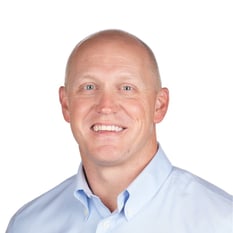
#### Chris Spady
Senior Vice President of Revenue Cycle at Erlanger Health
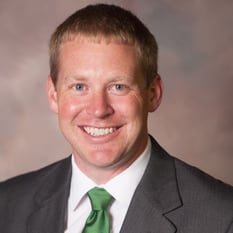
#### Shawn Gretz
President of Sales and Marketing

#### Let's talk!
Connect with a revenue cycle expert to discover a custom plan to amplify your revenue cycle with our transformative technology and services.
[](https://insights.getixhealth.com/)
14141 Southwest Freeway Suite 300 Sugar Land, TX
United States, 77478
- [Solution](https://getixhealth.com/solutions.html)
- [Patient Access](https://getixhealth.com/solutions/patient-access.html)
- [Insurance Resolution](https://getixhealth.com/solutions/insurance-resolution.html)
- [Chart & Coding Audits](https://getixhealth.com/solutions/chart-coding-audits.html)
- [Eligibility & Enrollment](https://getixhealth.com/solutions/eligibility.html)
- [Self Pay Patient Billing](https://getixhealth.com/solutions/self-pay-patient-billing.html)
- [Workers’ Compensation](https://getixhealth.com/solutions/workers-compensation.html)
- [Professional RCM Services](https://getixhealth.com/solutions/professional-rcm-services.html)
- [Solutions](https://getixhealth.com/solutions.html)
- [Technology](https://getixhealth.com/technology.html)
- [Careers](https://getixhealth.com/careers.html)
- [Contact](https://getixhealth.com/contact.html)
- Learn
- [Blog](https://insights.getixhealth.com/blog)
- [Podcast](https://insights.getixhealth.com/podcast)
### The core behind care.
© 2026 GetixHealth. All Rights Reserved |[Privacy Policy](https://www.getixhealth.com/policy/Security_Privacy_Policy.pdf)
```json
{
"@context" : "https://schema.org",
"@type" : "BlogPosting",
"author" : {
"@type" : "Person",
"name" : "Alex Oey",
"url" : "https://insights.getixhealth.com/podcast/author/alex-oey"
},
"dateModified" : "2026-09-16T16:07:52.048Z",
"datePublished" : "2026-09-16T14:50:55.000Z",
"headline" : "The Self-Pay Inversion: Why Your Insured Patients Are Now Your Hardest Collections",
"image" : [ "https://insights.getixhealth.com/hubfs/THUMBNAIL_CHRIS_SPADY_CHRIS_YOUTUBE.png" ],
"mainEntityOfPage" : {
"@id" : "https://insights.getixhealth.com/podcast/the-self-pay-inversion-why-your-insured-patients-are-now-your-hardest-collections",
"@type" : "WebPage"
},
"publisher" : {
"@type" : "Organization",
"logo" : {
"@type" : "ImageObject",
"url" : "https://insights.getixhealth.com/hubfs/1.%20Official%20GetixHealth%20Logo%20_%20Full%20Color.png"
},
"name" : "GetixHealth"
}
}
```
```json
{
"@context" : "https://schema.org",
"@type" : "PodcastEpisode",
"associatedMedia" : {
"@type" : "VideoObject",
"description" : "In this enlightening episode of RCM Reframed, Chris Spady, Senior Vice President of Revenue Cycle at Erlanger Health, joins host Shawn Gretz, President, Sales and Marketing for GetixHealth, to explain why self-pay is no longer mainly an uninsured balance problem. Their conversation reframes patient liability as an insured-patient challenge shaped by high deductibles and coinsurance, questions who really carries financial risk when claims are delayed, denied, underpaid, or clawed back, and outlines the broader operational redesign Erlanger used to double self-pay collections while expanding charity.",
"embedUrl" : "https://www.youtube.com/embed/5XSkpFFAtMI",
"name" : "The Self-Pay Inversion: Why Your Insured Patients Are Now Your Hardest Collections",
"thumbnailUrl" : "https://i.ytimg.com/vi/5XSkpFFAtMI/hqdefault.jpg",
"uploadDate" : "2026-09-16T14:50:55Z",
"url" : "https://insights.getixhealth.com/podcast/the-self-pay-inversion-why-your-insured-patients-are-now-your-hardest-collections"
},
"datePublished" : "2026-09-16T14:50:55Z",
"description" : "In this enlightening episode of RCM Reframed, Chris Spady, Senior Vice President of Revenue Cycle at Erlanger Health, joins host Shawn Gretz, President, Sales and Marketing for GetixHealth, to explain why self-pay is no longer mainly an uninsured balance problem. Their conversation reframes patient liability as an insured-patient challenge shaped by high deductibles and coinsurance, questions who really carries financial risk when claims are delayed, denied, underpaid, or clawed back, and outlines the broader operational redesign Erlanger used to double self-pay collections while expanding charity.",
"image" : "https://22082204.fs1.hubspotusercontent-na1.net/hubfs/22082204/THUMBNAIL_CHRIS_SPADY_CHRIS_YOUTUBE.png",
"name" : "The Self-Pay Inversion: Why Your Insured Patients Are Now Your Hardest Collections",
"partOfSeries" : {
"@type" : "PodcastSeries",
"name" : "GetixHealth Podcast",
"url" : "https://insights.getixhealth.com/podcast"
},
"publisher" : {
"@type" : "Organization",
"name" : "GetixHealth"
},
"url" : "https://insights.getixhealth.com/podcast/the-self-pay-inversion-why-your-insured-patients-are-now-your-hardest-collections"
}
```