


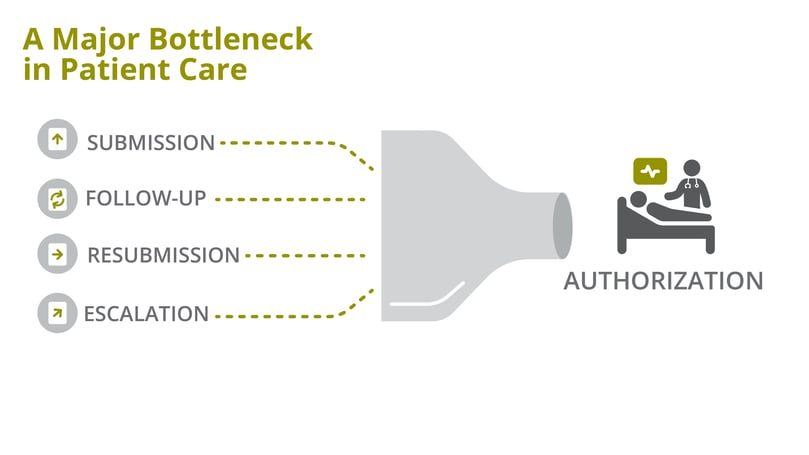
Prior Authorization can often be a bottleneck when caring for patients. The amount of staff time needed for submission, follow-up, resubmission, and escalation can be overwhelming and take away from the real task at hand.
 A recent article from Modern Healthcare said that a coalition between American’s Health Insurance Plans (AHIP), the Blue Cross Blue Shield Association, and 48 health insurers claims to have cut prior authorizations by 11% in 2026, compared to 2024 numbers. This included a 15% reduction in Medicare Advantage.
In 2025 AHIP and the coalition of health insurers announced a series of commitments to streamline, simplify, and reduce prior authorization. They said that for patients, the commitments would result in faster, more direct access to appropriate treatments and medical services with fewer challenges navigating the health system. For providers, these commitments would streamline prior authorization workflows, allowing for a more efficient and transparent process overall, while ensuring evidence-based care for their patients.
This is a move in the right direction for providers. A 2024 survey by the AMA showed that nine out of 10 providers surveyed said that prior authorization had a negative impact on patient clinical outcomes, and that 78% of physicians reported that prior authorizations often or sometimes resulted in their patients abandoning a recommended course of treatment.
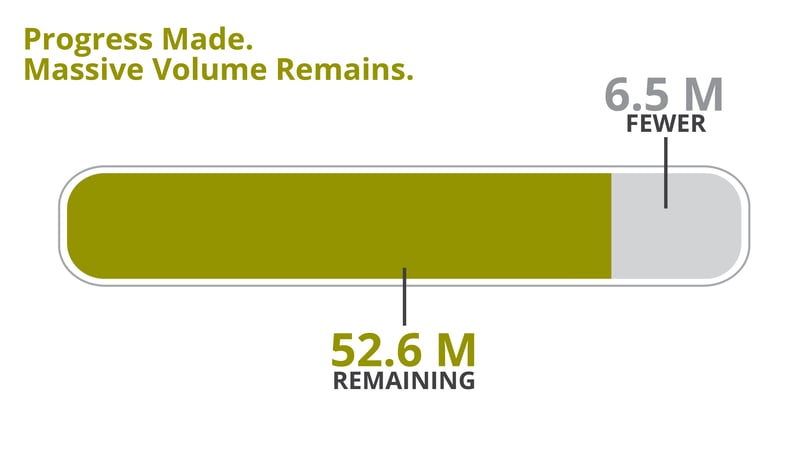
“An 11% reduction is a step in the right direction; however, the impact remains limited as improvements are largely concentrated in select service lines such as radiology,” said Kimberlee Smallwood, Assistant Vice President of Operations at GetixHealth. “Providers continue to face a substantial volume of prior authorization requirements, with average turnaround times for Medicare Advantage plans still exceeding 14-plus days.
“Meaningful progress will require broader, cross-service-line workflow optimization and consistently reduced turnaround times. Until then, prior authorization will continue to pose a significant administrative burden, affecting both patient access and operational efficiency.”
According to AHIP, participating health plans commit to:
- Standardizing Electronic Prior Authorization.
- Reducing the Scope of Claims Subject to Prior Authorization.
- Ensuring Continuity of Care When Patients Change Plans.
- Enhancing Communication and Transparency on Determinations.
- Expanding Real-Time Responses.
- Ensuring Medical Review of Non-Approved Requests.
While insurance companies work to reduce prior authorizations, they still remain a part of the process that can slow medical care. This dip reflects changes in prior authorization requirements for medical services, including mental and behavioral health, but not prescription medicines. What can providers and hospitals do to make sure prior authorizations don’t impact the care they are delivering? They can work with a partner that can take steps to minimize the disruptions prior authorization can cause.
Those partners should:
- Secure authorizations faster
- Reduce denials and rework
- Improve operational efficiency
- Enhance the patient experience
Insurance companies are slowly reducing prior authorizations, but they are still a required step for many patients. Having the right strategy, which could include working with the right partner, is an important step in the process. GetixHealth has the resources and processes in place to ensure your prior authorizations flow smoothly, allowing us to be “The Core Behind Your Care”.