

https://youtu.be/tVdyQ1ZAsRc?si=Uy3ZG15uKjmVsOar

GetixHealth Podcast

The Impact of Experience Across the RCM Landscape

Alex Oey Alex Oey · April 17, 2026
Transcript — follow along with the video

Shawn Gretz (0:11 - 0:33)

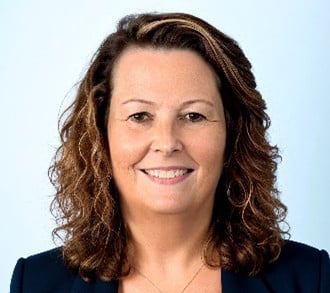
Welcome to RCM Reframe GetixHealth podcast where we talk to revenue cycle leaders across the country. Today I'm excited to have Sandy Goudin who is the assistant vice president of revenue cycle for Atlanticare. She has 20 plus years of experience working in the rev cycle world.


We're excited to have her today. We're going to talk about many topics across the revenue cycle, so welcome Sandy.


Sandra Gubine (0:34 - 0:37)

Thank you, I appreciate you inviting me and having me here.


[Speaker 2] (0:38 - 0:46)

You know, one of the topics I wanted to start with, this is one of my favorite questions that I ask rev cycle leaders. Tell me where you started in the rev cycle.


[Speaker 1] (0:47 - 3:31)

So interestingly, I accidentally fell into the revenue cycle. So I've actually been total in a healthcare revenue cycle for 35 years. So I actually was in a position in a whole different industry.


My background is accounting and I was doing operational work, just wasn't my fit. And I happened to see, and this is when the days of ads in newspapers. So I happened to see an ad in a newspaper for a finance manager for a local federally qualified health center, which was part of the South Jersey health network, which is now in spirit.


So I went in and honestly, they really didn't know what the job was going to look like. It was a new position. And so I landed in healthcare knowing nothing.


I mean, absolutely knowing nothing about healthcare. So I really, in the beginning, I just did what I was told. Finding out after very quickly that what I was told wasn't necessarily the best way to handle it when you start to learn revenue cycle.


So I really got immersed. I mean, I just got thrown in the pool and hope that I could find a life preserver or learn how to swim. And so I learned how to swim.


And so I was in, it took on financial counseling, billing, and for a federally qualified health center, I had to understand the rules. It was a great start because it's smaller and it really gave me an opportunity to see the whole thing, how the whole thing worked and how making changes, how we get paid. We had like a 50% denial rate and I'm like, something's got to be fixed.


Learned how to build dental. I know more about dental than I need to. And just dug in, literally just dug in and figured things out.


Did websites, went to books, actually read regulations. What was going on? What has to be done?


Talking to payers, figuring it out. Oh, well, if you do this, you do that. I mean, reading denials and figuring out, okay, if we got denied for this, this is what we need to do.


So that just immersed me in, and I did that for five years.


[Speaker 2] (3:32 - 4:26)

Sandy, I love the story and it resonates with so many others that are coming into this industry. Either you don't always grow up in the rep cycle, but in your instance, you have, right? So coming from multiple different positions and learning the rep cycle is such an important piece that all of us can take back and learn from as well, especially those that are new to the career.


And we're going to talk about that more later on, about being new to the career and some of the career. But I'd like to pivot a little bit and start talking about something that we had early conversations about is your conversion. Vision 2030, I believe you call it.


And the capability of your organization to take multiple desperate systems, pull it together into one conversion into one. And it's going to be your year for this next year, if I understand it correctly. Do you want to tell us a little bit more about that?


[Speaker 1] (4:27 - 19:04)

Sure. I mean, we like many health systems, but as you grow up you have one system for acute, you have one system for professional, your surgery centers are somewhere else, your behavioral health on something else, you know, best of breed. I think that's really what we called it when I first got there 20 years ago, we did best of breed.


And, you know, best of breed is nice, but they don't talk to each other. And so we went on a started a journey probably two or three years ago now called Vision 2030. And in that was bringing technology.


So we partnered with Oracle. And so we are really in the middle. And this is my full time job these days is taking all the disparate revenue cycle systems that we have today and putting everyone on Oracle.


So, you know, I got to talk acute, I've got to talk professional, I've got to talk behavioral health, I've got to talk ASCs. And, you know, everybody still has their proprietary areas, you know, and, you know, getting people to kind of let go a little bit is that's probably been the biggest thing. I mean, the system is there.


But the people, you know, it's really getting people to embrace the change. I'm somebody who just change doesn't bother me in the least. Very little.


I've always been into change. But many people, you know, but you you know, the first thing is you don't understand us, you know, okay, then let me learn. And so, you know, that's really how I have built my team is, you're the expert, tell me what you need, and kind of soak that in, and then sit on meetings with them, and advocate for them.


So like, when I'm my surgery centers, probably my surgery centers, they are so well run today. And even though they're not on great technology, they're really well run, and they make money. So there's a there's a fear, you know, that they're not going to make money anymore.


So I really took a lot of time to sit in on their meetings, and start advocating for them. Because in their defense, they're not acute. So, you know, the the vendor was kind of saying, well, we can't change that less acute will change it.


Well, now I'm there representing I and I'll say, that's all right, I'll take that back. I agree with the centers, there was a message that was going to go out. And I and they said, well, we can't change it less acute agrees.


And I said, I can't imagine acute wants that. So I went to the leaders and the docs directly and said, Look, this is the situation I need you to tell me yes or no, they said no, they didn't want it either. I come back to the ASC as I said, guys, you're good.


You know, so that's kind of where my role has been to keep bridging these areas and getting the people together to give me the information that I need, you know, as we build every little area, especially when you have Oracle, but Oracle still has partners. So those preferred partners don't always communicate. And so they're kind of wanting the same information and knowing where to get it from.


It's it's, I have to tell you, it's been a lot of fun. It's exhausting, but it has been a lot of fun. We're still not but we probably won't be live till the end of this year.


We started in April of 25. It's a lot, you know, getting everybody on the same mindset. And we have a situation where one of our business offices completely outsourced.


So how's that gonna look, bringing that in? So there's all these other technicalities. And then like, our surgery centers completely outsource their coding?


Well, we want to bring that in house. And, you know, does that coding company want to use our systems, you know, and so it's, it's amazing the things I have to say, it's, it's more about managing expectations, managing people, managing decisions, being able to make decisions. I think that's, that's always been one of my strengths is I'm extremely decisive person.


I know who my experts are, who don't feel like they should be able to speak. And I'll just say, what is your what is your thought? You know, I have one that's like, absolutely fun, phenomenal.


She knows things. And I say to her, they say, okay, we need an approval. And I go, Okay, Laura, is that the what we need to do?


She says, Yes, I do. Okay, I approve. You know, so like, I know who I can trust.


So I can move my goal is to move this project along and be successful. We have a lot on the line. All our money that comes in is on the line.


So this is not a small, I can't, I don't even get caught up in that I do tell people that I do say to them, sometimes, when people don't want to take me seriously. I say, we've got 70 to $80 million a month on the line. Oh, okay.


Yeah. So this is serious, you know, so because people get caught up in the clinical and they go, well, it's just patient accounting, you know, and you don't get it. It's, you know, it's not just patient accounting, it is revenue cycle.


So we're labeled patient accounting. I'm like, No, it starts from the time that patient reaches us. And so I was just on a call about, okay, the patient reaches us, how can we make sure that what CPT we authorize is the CPT we bill or code?


And can we get that quick enough so we can get retro loss, you know, so just so many things, I think, one thing about this transformation, anything that has ever been a problem is now coming up. So of course, everybody's using this project, you know, as their platform, to say, this is what we need. We've needed that for years.


But now the platform is out there, we need it, you know, Hey, Oracle, you should be doing this for everybody. And this is what we want. And so, you know, we're working with them, we're trying to stay within their model.


You know, there's a lot to be said about sticking with an organization's model, rather than a lot of customizations, because we made that mistake in our prior lives of doing too much customization. So we are then the problem and with today, you really need to stay with model because technology is moving so fast. And with AI tools and AI agents, you start doing too much customization, you're not going to be able to take advantage of that future.


So that's huge in this project, because people don't want to hear, no, this is this is what we're going how we're going to do it. And so I'm also focused on process because you know, anybody can implement technology and we've all heard about the disasters. The technology is the disaster.


The disaster comes when the people don't change the process around the technology. Because people go, I've always done it this way. I get this clean, and I do that to it.


Well, that was in the old system. In this system, it's this way. There's also fear, you know, because some things are going to get automated.


And people are like, that's my full time job. And I'm like, yeah, and guess what you're going to get to learn things that are so much more valuable to our organization, that instead of you loading files all day long, now you're going to actually be doing some analytics seeing where we're not getting paid correctly. And it's like, that's fear.


But it's change management, you know, and saying, look, and I think I find as being the leader of this, me staying calm, me handling situations in a very structured, calm manner, I've been able to diffuse things, you know, we've had meetings, because you know, there's still that clinical rev cycle pull, right? We've had some meetings with them. And they're interpreting some of our changes, as we're asking them to change their practice.


And I said, I would never I am not clinical. So when I sit with them, and I sit and I talk, and I say, you're all we're asking that everything you do today, now, we just need you to do one more step in the system that you never did before. Oh, so you're not you're not changing how I practice medicine, wouldn't do that.


I'm not an authority. And then they were like, Oh, listen, yeah, this is lost revenue that we've had for years. So now we know that we can get this revenue, and we need you to do one extra step.


And so it's, it's really under coming to the, you know, one thing I've always learned is rev cycle tends to have to go closer to their other side. So whether it's finance, general ledger, or clinical, they're not going to come to me and understand my world, you know, rev cycle so crazy and complex, and you know, people want to simplify it, but it just can't be. So it's me going and understanding their problem, and understanding how I can fix it for them.


But always crossing the bridge at least 75%, if not 90, with them staying kind of, you know, only moving to me a little bit. And that's one of my things of here, let me tell me what it is, tell me, in this technology change, tell me what's giving you Ajita, what is bothering you the most, and sitting down with people. So you know, it's a huge, huge undertaking.


But I have been determined, it's going to be successful. And it can only be accessible if I have all the people around me going in the same direction. So my job, the technology is just the technology.


So my job really is getting the people into understanding and what they have to change. So that's really the project. The project is a people project more than it is a technology project.


You know, the technology is going to do A, B, and C. So how are we going to work around A, B, and C? You know, we used to do EFG.


So that really has been what I spend all my time on, just talking to people, walking through concerns. You know, people will get concerned over very minutiae. We have to work on getting them out of the minutiae.


You know, like, you know, people that will struggle with change will find the thing that's going to go wrong one in a million times, and feel that we need to stop for it. And I'm like, you know what, I get you and I understand that, but that's so rare. I think that's going to be one of those things that we're going to have to wait till it happens.


But we're 99.9% of the time it doesn't happen. So that's what we need to focus on. Well, you know, and if we're strong enough with the 99%, we can handle the 1%.


Or even 90%, we can handle the 10% once we go live. But we got to have a minimum of 90%. You know, because so that everything is going pretty smooth, because, you know, revenue cycle is not predictable.


Payers are changing things all the time. We're trying to get ahead of them. They have technology we're not using.


We're trying to get some AI technology up front for our utilization review teams, to be able to get them to give better, you know, reviews, work with the doctors. And so it's funny recently, you know, we have this tool that MCG has, and our case management really wanted it. And I said to him, look, can you compromise?


If I get it to you early, it's not going to be integrated. So will that work? Well, yeah, we'd like it integrated.


I said, I get that. But if I get it to you, will you compromise? It'll be integrated when we go live.


And then they said, well, okay, okay, we agree. And then I get then I get the doctors and I go, okay, doctors, here's what I need you to do. Because you've got the power, you go to the topper and you tell people, we need this, you know, because they're not going to listen to me.


I have so much technology on my plate. They're going to go, come on, Sandy, you know, this project better than anybody, you know, so I've got to sometimes, you know, compromise who it is, that's going to be the one that's really and stand behind them and say, you know, we'll compromise. And I even say that I grasp, we can't do the whole thing, but we're making a compromise, and it'll still bring some value may not as much as it will in the future.


But let's start grabbing that value now. And let's incorporate the right people who have the right influence, is what I'll say, to be able to move that through. So it's, it has been an adventure.


And it's an adventure that's going to continue on through the rest of this year. And, you know, once we go live, it's not done.


[Speaker 2] (19:04 - 20:51)

So it'll go into next year to You know, Sandy, I'll say this, one of the things that resonated with me in regards to that is how you approach change management, I think everyone can learn change management of how to do it in your 30 plus years history, probably brought you to that point. Number one, you know, the conversation about getting buy in from the people, not just and especially in your role, as RCM folks, you have to go to clinicians, you got to go to the finance, you got to go to it, you have to get buy in from your people as well. And that's an important piece of it.


And then the second part is understanding project management in itself, understanding scope creep, especially when you're taking Yeah, do you scope creep is is you really have to be very careful, that can happen very easily. Especially when you're taking as many desperate systems together and pulling them together into one scope creep comes at you fast and people any project that they had, or ideations with that they had and thought about throughout the years, is going to come into this and they're going to want to build for that. And then the final thing is, when you really look at it, and you step back and you look what what is at the end of the day, what does success look like?


And where where do you want to be? Because that's a big change, especially with that many systems. But one of the things I think, I think about a lot is anybody that listens to this podcast, or listens to that conversation, in regards to how to do a system conversion, it comes down to in the end, the people and the people is what matter, you're going to be successful from the people that do the project, or they're going to create the collisions that occur afterwards, right?


How are you managing to that the people side of things?


[Speaker 1] (20:51 - 25:00)

So that's the thing. I mean, my focus is the people because you know, I learned the technology and I'm focusing on the people because that you're, you're so right in that the the changes, getting that buy in from people is getting on their page. You know, so when I don't understand, you know, what clinicals, it's a clinical barrier, I'm not clinical.


Then I go to my clinical contacts, and I say, Look, help me understand what is the barrier. And I would have to say one of my strengths is, is to hear and break it down. Because what one thing that I think hurts people when you try to do change management is they see the big change.


Well, change is little increments, small increments. So many times for me to be successful over my career with change is small steps. Let's just do this step and see how that goes.


And then you get a little more buy in and let's do this step and see how that goes. You know, I can remember years ago, when I first came into the acute setting, I took the first eight months of my career and said, Okay, I know nothing, I really knew nothing. Let me find an expert.


At the end of the eight months, I realized there are none. And so I just started going after changes. And I can remember working with an individual who have been doing a job that I hadn't, don't even know, for 20 years.


And I'm asking her to change what she's doing, because she's taking an outpatient claim. And it's, it's just a straight outpatient claim. It's not a procedural claim.


And she's putting procedure codes on it. And I'm like, you don't need those. She said, Yes, I do.


I said, No, you know, she's always done it that way. So we finally I started with 20. And I finally agreed with one.


And so I said, Let's put one through it. And it flew through. Let's put two through, you know, until it finally, she jumped on board and stopped.


Because what she was doing was slowing the process by weeks of getting these huge claims that were monthly oncology claims needed to get out the door so we could get the money in. So it is breaking down. I think change management is, if you think you're going to change, it's like building a house, you don't just come in and just build a house.


You first start with the foundation. You then build off of that. And you do the outside, you do the inside.


Change is the same in any environment. It can't just happen overnight. People and you have to come where people are because I tend to be able to vision my future like I'm really good at seeing the end game.


A lot of people aren't. So how do I get in there? All right, let's do this small change.


And let's do that small change. And with that, we move forward, small steps. And I always say sometimes, you have to take and look back at yourself a year from now.


Because you get so caught in today. Sometimes just stop and look back and see where you were a year ago. And see if that's working.


I need to take a break. Can I just for a minute? Yeah, I'm sorry.


Yeah, no worries.


[Speaker 2] (25:02 - 25:20)

You know, Sandy, one of the things that you talked about is building equity with others across the organization, from the clinicians to the IT to finance. Is that something that came natural to you? Or did you learn it throughout your years of being in the rep cycle?


[Speaker 1] (25:20 - 36:07)

I learned that the hard way. You know, I really would describe my younger self as a bull in a china shop. You know, so it really took time to build, you know, the equity and the people seeing my integrity and people understanding that I'm here to help you.


I'm not here to walk over you. Because I have a strong personality. So I had to learn the hard way, of course, after I steamrolled people, that that wasn't going to work.


You know, so I building that equity and that trust, came over time, to I can say that I think that's one of my biggest assets at Atlantic care, because I came in 20 years ago as an outsider, you know, I didn't live in Atlanta County. I had experience, but I was still an outsider. And so Atlanta care is a place where people come and plan their careers and stay there.


I mean, there's just a lot of we have people with over 50 years, you know, so it's just one of those kinds of places. So it takes a while before people think you're just not the latest and greatest thing and you're going to go away. So you know, to build that, you know, when I first came in, was I had to spend time with people and say, all right, tell me what you do.


And, you know, many people were like, no one's ever asked me that before. And I said, Well, I want to know, what is it that you do? How do you how does your day?


How do you get your work? What do you do? You know, and then I will say most people were so open and glad to share what they were doing, you know, they were still using green bar.


And, you know, I had to laugh because I said, you get a new green bar report every week, but it's an alphabetical order, and you keep starting in the same place. So like, do you ever think that maybe week two, you should start on page two, like, you know, whatever. So it's just talking to people.


And then you get people that will say, I do all kinds of things. Well, what is that? Oh, I do everything that needs to be done.


And they're the people, you realize that you just have to sit and observe them, because they just can't explain what they do. Or you find out, you know, there's always theirs to have the what do you want to say, easy road, you know, they've never had enough work to really fill their day. And they don't want to wait to find that out.


You know, that's usually the exception. But I've had a couple of those in my career, you know, and you see them and, and, you know, when you start putting work on them, you know, they push back, but eventually, I build that equity up with them to say, Yeah, I guess I can handle this, you know, yeah, this is this is a better way to do it. I'm also willing to say I'm wrong.


You know, I think that is probably a very key point in that, if I think something one way, and someone comes up and says, No, it's like this. And we look into and I go, you know, I really appreciate that you, you came with that, because you know what, I totally missed the boat on that one. Or an idea.


If I have an idea. And this was something I had to learn over time. I had this mindset when I was a younger me, because I'm a quick thinker, and I'm a problem solver.


So you go into a meeting, and you have a problem, and I already have a solution, when the rest of the room hasn't even totally grasped that there was a problem. So I learned that I had to sit on my hands, because when I talk with my hands, you can't see my hands right now, but I'm talking with my hands. So I sit on my hands, and I let everybody digest what the problem is.


And so I start let people bring up ideas, or if I'm not hearing anything, I'll say, you know, I can tell you're Robin, you've got something on your mind, why don't you share it with the team. And, and honestly, what happens is, we get such a better resolution, because they bought into it. And they had vision that I didn't have.


So we really come out of it with much and now I become more of a facilitator and less of an ogre, you know, so they start to come to me to say, Can you help me solve my problem, instead of, well, it's going to be your way or the highway. So building that equity in people, and to me, it's integrity, that that is just unquestionably the most important thing to me. I'm a person, if I say something, I'm going to do it, I'm going to do it.


If I can't get to it, I may let you know that I haven't got to it, but I will not forget it. And I can remember when I first got into healthcare, when I would meet with my new staff, I'd be taking notes. And, you know, and then I'd follow up.


And so one of them came back to me, but I don't know, it must have been like six months in. And she says, You know, I know, because you take notes that you're going to follow up. Our last boss never took a note.


And I said, Well, I don't have that great a memory. Maybe that person had a great memory. But I don't, you know, a lot of things happen.


I need to write my note down to remember what it is that I need to do. So it's that integrity. You have to have integrity before you can build equity, you know, before people are truly going to see that you have something that you offer, and can bring to the table.


And so, you know, now, I am someone who's brought to tables that I have no idea what I'm there for. Other than to help people stay calm, I will listen. And so then I play the dumb card.


And you know what, sometimes it really isn't a dumb card. Sometimes I really don't have a clue. But I will say, Okay, I've been sitting and listening to this.


I'm not in tune with I have no, you know, understanding, but this is what I'm hearing. And when they hear it that way. And I take it from point A to all the way through to now, you say this is the problem.


And so is that really what we're trying to solve? And they go, Well, yeah, I guess because they kind of came there not really knowing what it was they needed to solve. So having that, I don't know anything.


And now let me summarize how I see the problem. And now we have the specifics of what it is we need to work on. Now, all of a sudden, we can make progress.


Because before it was all over the place. Everybody was throwing in their perceptions, but nobody was kind of outlining it for them. So they spent 45 minutes just talking, and everybody having and, and I think I'll bring a calming effect, you know, because that's one of my, and that is a learned trait.


That is a definitely learned trait. Let me just walk through this, guys. And I can see your point.


And I'll use people's names. And I'll say, you know, Mary, you said this. So I see that happens here.


And Linda, you said that and, and so they're like, yeah, that that's really is what's happening. And I said, and then we get to this point. And nobody knows what to do.


And they're like, yeah, I said, Okay, so who do we need to bring in to solve that? And then everybody calms down, because no one is being attacked. And that builds the equity of people saying, Wow, okay, let's bring her in, you know, and I think that's kind of how I got this project.


Because I can do that with people. And I have to bridge over to clinical, you know, no clinical, there's nothing for me to bill, I can register patients, I can schedule patients, but if patients don't get clinical care, I'm not going to have anything to build. So I've got to get how that works in the middle.


And I have to understand it. And so and, you know that I've spent a lot of time doing that sitting in meetings, just being a fly in the wall. And sometimes I'll go into a meeting as a fly in the wall and find out that they're in And so let me let me level set it.


And so we can get to the problem. So, you know, you it takes a long time to earn equity in organization. I think that's one thing that people who don't feel the need to stay, I mean, you know, everybody says the younger generation, but you know, we were all the younger generation at one time, and everybody thought the world was going to come to an end when we were younger.


But I will say today, that a lot of the younger generation sees the doesn't see the need to stay too long. Well, it's really hard to build equity in an organization without some length behind it. You don't walk in day one with equity, you have to earn it, because you're the new guy.


You know, so if anything, you come in and you have nothing, because you don't know us, you don't know how we work. You're not one of us. You have to overcome all that.


[Speaker 2] (36:08 - 36:47)

I love how you said that, Sandy, because so many, especially with your tenure 20 plus years at your organization, so many will leave early and go to a different career where they don't have to either start over with the equity. But staying with an organization is so powerful sometimes. I have 23 years with AmeriFluct and now JetX Health, but it's been a great 23 years because I kept on building, stacking blocks on top of each other, moving along and adding to the career.


If there is one piece of advice for someone that's new to the rev cycle world, what would it be for you?


[Speaker 1] (36:49 - 48:15)

I would say, and it's not just the rev cycle world, I say it's anyone who's trying to build a career. And I wish I knew this when I was younger. And it's self-reflection.


It's really the ability to see myself through others' eyes. You know, there's always that golden rule, treat others the way you want to be treated. Well, that doesn't work for me because I kind of have a really long tolerance, you know, so I can pretty up put up with it quite a bit.


So me treating others the way I want to be, that's not going to help me because of my own ability to take on whatever. But I wish I had been learned. And I think this has to do with rev cycle anywhere in any company is truly take the time to see how people are responding to you.


And, you know, so many times leaders are so busy communicating out that they're not paying attention to their audience. And is their audience responding? Or is their audience all got their head down?


You know, like, what is it? What's going on? Like, so, I mean, it was, it actually was at Atlantic here, I think, when I finally truly understood this concept.


And it was like, wow. And, you know, it ties into that whole emotional intelligence to throw out a buzzword. But it truly is the ability to say, all right, that went wrong.


Did I have a part in that? You know, because sometimes it's, it's me that maybe I was the one that didn't lead that right. You know, whenever I got to the point where when someone say to me, oh, you know, Mary Sue just can't do their job.


And I'll say, so how did we fail her? And they look at me. And I said, did anyone ever really take the time to train her?


Well, we trained her just like everybody else. I'm like, well, that's maybe not what Mary Sue needs. You know, have you taken the time?


Because, you know, I'd rather train someone that I know, then go through the whole onboarding process again. You know, and so with that, I think I've taken that everywhere is now in my life, and in my career, to truly pay attention to how people are perceiving me, you know, really not coming in like a bull in a china shop. And, and I will say this, the thing that goes with that, and this was something I actually learned very beginning in my career, but it wasn't until I saw this self reflection that it became so powerful is I get to know the people, you know, the people, I get to know them what's going on in their personal life.


I always know, like, you know, people cannot split themselves from their home life to their work life. You know, people say you can, but you can't. And so, you know, many times I will bring staff in over my career, and you just find out that there's just so much other going on.


And so then we start talking about how we can handle that and not bring it into the workplace. And, you know, even if some advice on how to handle what's going on, you know, I had a woman come in, and, you know, she was really struggling with her money. And, and she tells me, she says, you know, I pay all my bills faithfully on time.


She said, there's no money in the account. So all the checks bounce, but at least I pay them on time. And I said, and you're paying $25, or, you know, $30 for every time that check bounces.


So you're not doing yourself any favors, you know, and I said to her, you know, the late fee on that is some some don't even have a late fee. And I said, you're really not paying your bills on time. So you know, let's save.


I mean, she was literally a couple hundred dollars a month. And this is an employee that was making maybe 50,000. And I'm like, that's a lot of money.


So you know, it's, and then you realize that's coming into work, because she's so stressed, and you know, she doesn't have the money. And so, you know, when we had this talk, and I understand her. And I reflect how I can help her.


And I think about what it would be like to be in her shoes, you know, you know, because I've just always money management has been a strength of mine all my life. And so, you know, helping her with that helps her better on the job. Because, you know, well, oh, okay, really?


So not writing all those checks is not a good idea. No, that's not a good idea. You know, so and let's get you, you've been here plenty of time, let's get you a, you know, pull out of some of your vacation time, you've got more than enough, let's get you caught up, you know, and, and helping her with what resources we have.


So just getting to know people getting to know, you know, grandmoms, new, you know, new parents, you know, maybe something, a relative not doing well, you know, you know, that's bearing on them. And, and I'll say to them, so how is, you know, so and so doing, you know, like, if it's their aunt, how's your aunt doing? I had a young lady who worked with me, and she was caring for her aunt.


And I would check in on her every time I saw her. So how's aunt going? You know, how's it doing?


And, you know, it was better was better, you know, and then it was slipping. And you could see because you could see the stress on her face. And he said, you know, doing what's going on, you know, and so she tells me and she says, You know, I really appreciate you asking, you know, and just doing that with with people.


And it doesn't have to be your staff. It can be anyone. I have made so many strong relationships with people by taking the time to understanding who they are, in addition to how they perceive I am.


So I see where their strengths and their weaknesses that I see that are conflicts for me. And so how do I better handle that? Like I just know with this one person, you know, I just I can't just go off and say I have a problem.


I need your help. I have to come about from a different way here. Let me explain what's going on.


What would you recommend? You know, so that could be the same question, but just differently worded. So you just get more out of people.


And it's not that I'm trying to get people to give me more all the time, but I'm trying to get what I need. And so people will come to me and they'll say, you know, I just can't get this person to respond. And I said, Well, you know what?


That person doesn't answer email. You haven't figured that out yet. You sent them 20 and they've not responded.


Have you thought about setting up a meeting with them? Most people don't. If you accept a meeting, they usually show up and they're like, well, I can do that.


So why can't you? What made you think you can or, you know, pick up pick up the call or do a team's call? You know, I mean, most people don't answer the phones anymore and I'm one of them because of so many spam calls.


But if you teams me, I'm right there, you know, or you put on a meeting with me, I will attend the meeting. And so it's telling people how you get where that other person is. You know, if that other person is not an email person, then stop sending them email.


I'm not gonna get my answers. And that's just going to frustrate me. But I know that if I just do 15 minutes, just do a 15 minute touch base with them.


And they can fit that in their schedule. And then we can get through and move on. You know, that works.


I have a couple friends that in work that they'll say, you know what's going on when I get a high, you know, on a ping through teams. And it's like, yes, I'm available, or I'm in a meeting, you know, so but that's, that's how we kind of communicate. And so understanding what works best, you know, managing, it's like managing the people around you in a way that they feel comfortable, and you're kind of getting what you need.


And so like with this project, bringing all that back around that skill set that I wish I had when I started my career of truly being able to reflect and stopping and learning about other people. And putting the two together, I just wish I knew that, you know, because I was a bull in a china shop. You know, I had this one manager that said to me that, you know, you need to realize that that your brain works faster than others.


And so you need to stop assuming that just because someone has your title that they should do everything you do. You need to understand people process differently. And I'm like, Wow, never thought about that.


Never just figured if I do whatever, you know, I think that is one of the weaknesses of coming into any new career. People go, well, if I can do it, they should be able to do it. No.


You know, I also am an adjunct professor. And so I love mentoring to the young, you know, professionals of the future. And that's what I say to them.


I said, Look, you're here, you know, when you get into the workplace, your brain probably will work a lot faster when it comes to that, when you may have, you know, entry level staff, you need to understand that they don't have four years of education that you have, you know, so take that into consideration, or maybe someone has the same title as you, they got there through experience, you got there through education. Well, guess what you two could work together and really make a great team, you know, because you could use that discipline that you learned in education with that person's experience, and the two of you become become, you know, extremely powerful.


So that's that reflection of how I can use my own skills and tie in and knowing who I'm working with. I mean, that's a long answer to a short question. But, you know, I hope it's helpful.


[Speaker 2] (48:16 - 48:54)

Very helpful, Sandy. I appreciate it. You know, you talked about being the adjunct professor before, and I know many in the healthcare industry have said to me, or people that I've talked to, have said they thought about that as the next career for them is to be a professor.


What advice would you give to someone in healthcare that thinking about, you know, I want to, I want to help bridge the gap to the next individuals and be a be someone that individuals even, and you don't have to be a professor, in a sense, you can just be a mentor or at your own organization. But tell me, tell me the advice you would give to someone that's looking at that as the next step in their career.


[Speaker 1] (48:54 - 59:29)

It's funny you say that, because I have a lot of people that ask me that very question. You know, the first thing I say to them is, so what is it you're really looking for? You know, and they're like, well, how did you get in to be an adjunct professor?


I said, well, to be honest, I just went to the school and said, look, I had gotten my master's there. And so I said, you know, I would love to teach. I had my CPA already.


I had my MBA. And, you know, and I just kind of fell into it. And I said, all you really need to do is go to a school that you particularly like.


They're always looking for adjunct professors, always. And they love people that are coming out of the industry. I mean, that's kind of how they balance, because in higher education, those full-time professors are doing a lot of research, whereas the adjunct professors bring in the industry, you know, bring in the industry experience.


And so I tell people all the time, you know, I said, just go out and look and put yourself out there, you know. And if you love doing that, it's something that I just love doing. I can be totally exhausted and I walk into a classroom and I just feel totally energized because I just love to help the younger students.


Some accept, some don't, but that's okay, you know. And so I think to get into it, figure out, there's like, so for example, I'm also on the MBA advisory council for the college that I adjunct at. So that puts me in an opportunity that I can mentor different people in different programs.


They'll use my name, you know. So it's kind of getting yourself connected, but it needs to be with a university that you either respect or that's close to you, you know. You know, you can always do remote, but I have to be honest with you, when it comes to teaching, there's nothing better for me than to be in the classroom, you know.


It just, I can do my job virtually all day long and it doesn't bother me. But when it comes to teaching, I want to be in that room with those kids, you know. So it's what's your passion?


What is it that you really want to do? Do you really, you know, do you really want to use your skills and share that? I mean, one of the things I find is students will reach out to me and say, what are you teaching?


And I'll say, unfortunately, I don't know, because as an adjunct, I get whatever's left over and I'm really flexible. So they can kind of throw me anywheres. So they kind of see what they need.


And so, you know, it's nice to see students that I had in one class and then I see them again and they're like, oh yeah, I told everybody they needed to take you. And I'm like, that makes me feel good. I said, and they said, the reason is, is because you make it real.


You make it there. And you know, here they are taking a book. So I, right now I have a principles of accounting and these are all just business majors.


They're not accounting majors. So you got to know who your audience is. So teaching principles of accounting to a bunch of business majors is very different than to a bunch of accounting majors.


So I'm really trying to take it in a way that, look guys, you need to know this because you're all going to be management someday. I mean, that's why you're here. You're going to be managing someday.


So you need to know how the numbers work. And so I'm not sitting there focusing on debits and credits. I'm really focusing on how accounting as a whole supports the organization and how they're going to get involved.


I said, you know what? I'm not in accounting, but when I was in operation, I had a, you know, several million dollar budget that I had to manage. And I had to know how to go into Excel and I had to know how to keep track of my FTE so I didn't lose them.


And, you know, so they, you know, it just, it engages them more because they're like, oh, okay. So I can use this because, you know, and I'll even ask students, do you feel like you really need to be here? And they're like, no, it's just what the industry, what everybody wants.


And I said, but let me tell you why you're here. I said, you know, because there's, there is a, you don't realize the skill sets that you're learning because you're learning discipline. You're learning how to follow direction.


You're learning how to complete assignments on time. I said, you're learning how to be adaptable from one subject to another. So I try to set, set them up in a way to say, this education is, is great for you.


You know, there's a lot that you can get out of it. I just spent an hour with a foreign student. Cause she's like, I don't know what I want to be.


And I said, well, most people don't, you know, and she's like, so what should my major be? And I said, it needs to be flexible. And so it took me, it took her quite a while for her to finally divulge her, her goal in life.


And she's, and I think she was, I don't know, maybe she just thought I wouldn't appreciate it, but she says, you know, she was, you're probably not going to like to hear this, but I really just want to own my own coffee shop. I said, okay, that's great to know. So, you know what?


You ought to look for entrepreneurial. I said, you know, our college here has a whole entrepreneurial role. She's in finance now.


Cause she said, I figured that would be the best options to give me options. And she says, but I just need money, you know? And I'm like, well, you're in the right place, but you know, there's a lot of ways to get there.


And if you take an entrepreneurial course, they may show you how to get the funding, you know? So it's like, but it took forever for me to hear that to say, well, then go this way. And like, she's got some psychology background.


I said, that is awesome. I said, cause people, dealing with people is so important. I always, I, as, as a manager, and I know a lot of managers will say this, we all should have had more psychology courses before we got into management, right?


Because we do become these, you know, psychologists for our staff and our, you know, different friends and whatever. So that's, I know myself as, because I just seem to be someone who attracts that. And, but it's just that, that ability to get into it has to be something that you see a vision for, you know, it is not hard to become an adjunct at any university.


It's very, very easy. I mean, go out their website, apply, put your, you know, dual. I mean, I will say that it's, it's academia.


So you got to understand they're, they're not business. They're going to ask for 15 different things that in our world, we don't think is necessary. Just do it.


And then get into the classroom and see if that's really what you want to do. No, because is that, because one of the other things is once you get there, then you can figure out how can I also plug in to be in a mentor. Every college has stuff like that.


They're dying to get people from industry that come in and talk to kids. Kids just want to hear from people that are out there. How did you get there?


How did you get in your career? And, you know, so I encourage anyone who wants to, it's very easy to get into. They don't realize how easy it is.


It's just, you just have to go to the college website, just like we go to our own websites and see what positions are open. Adjuncts are always needed, especially you could be an adjunct in business management. You know, also don't just go out there and go, well, none of them say a revenue cycle.


Well, they're not going to because that's a health care term. You know, so, you know, you want to apply to the college of business. You know, that's where you want to look for, you know, management, whatever things that you know, they're not going to have your health care terms.


You might find one that has a health care, which I know that more organizations, more colleges are seeing the need to go that way, but they don't know what to do. I sit on the MBA advisory council and I keep saying, you know, you could take all the courses you have today and they don't help health care. It doesn't.


I said, you guys have no idea how the health care business works. I said, it does. It is the most unique environment you could work in.


So, you know, yeah. So I sit on this advisory board and I'm always talking from the industry perspective. Look, if you really want to help hospitals get, get qualified people, then teach them how it works, teach them revenue cycle, you know, that in it, that could take four courses at minimum to teach somebody what revenue cycle is, you know, and they just look at me cross-eyed like really.


And I had a doctor sitting across from me and I said, did anybody ever tell you what the importance of your documentation is? And she looked at me, she said, no, right there, right there. If we have a medical college, why isn't there a course in the medical college telling people, you know, what the importance of your documentation is, you know, if you don't document and do you understand like, and she just looked at me like, I have no idea what you're talking about.


So, you know, there's a lot of opportunity out there. I know you asked me, how do you get into it? It's really easy to get into it.


And then once you get in as an adjunct and they know your industry, you just make your connections. And, you know, I've done webinars for Rowan. I mean, I've been related to them for so long.


Now I, it's just like working in Atlantica for 20 years. I've been at Rowan, you know, for, I don't know, 10 years. So they know who I am.


It's just like anything. It's like any job and how you kind of get your name out there. And once you, once you get involved and once you get into their, you know, network, you know, their email network, you'll see all kinds of opportunities.


You know, they're looking for mentors, they're looking for this, they're looking for that. So I always say to somebody, if you really think that's what you want to do, just go to a website and apply.


[Speaker 2] (59:29 - 1:00:04)

Hmm. That's fantastic. Thank you for sharing that.


I think it's going to be beneficial for many individuals that listen to this podcast, especially that have that mindset and want to teach afterwards. Speaking of something that you talked about before is the connection side of life. You and I have something in common that we're both HFMA members.


We're both proud supporters of HFMA throughout our careers. Tell me a little bit about that journey that you had and tell me a little bit why others should be joining that journey as well.


[Speaker 1] (1:00:05 - 1:07:34)

Yeah, I think the HFMA organization is wonderful. I promote it all the time. I have been a member, I think, since 2000.


So, you know, and I really did at Atlanticare, you know, I am like, uh, I promote it within our organization quite a bit. And it, what it does is it truly gives you opportunity to, especially, especially young people. It gives you opportunity to connect with, you know, executives that you would never get a chance to see, especially today.


Because, you know, when you sit on a virtual call, you're next to me, but it's not like I can lean over and whisper in your ear. But when you're a person to person, you just sit at their lunch table, and you can strike up a conversation. I think there's a lot of educational opportunities that really help understand that that's where you can't get it in the classroom.


But the HFMA organizations, especially in my area, which is New Jersey and Metro Philly, do a great job with providing specific education. So, if you're in patient access, really understanding what do other organizations do. I mean, that is one of the biggest things, I think, you get out of HFMA is that, you know what, you're not alone.


And don't reinvent the wheel. And go hear what other people are doing. And guess what, you know, it's a shortcut.


And honestly, I can tell you, in HFMA, people are more than willing to share. People don't sit there and hold, you know, too close. And that's not the way it is.


They're like, sure, I'll help you. I'll tell you what I did. I have no problem.


I mean, that's the great thing about the HFMA is that you really get an opportunity to listen to real people who've been where you've been. Because everybody starts at the bottom. There's very few that come right in at the top and hear their journey and, you know, learn tips.


I'm sitting on a panel for a women's event for HFMA in April, you know, and it's talking about multi-generational and, you know, how the younger group gets involved and what was it like, you know, for us different generations, you know, some of us are older generations and younger generations, you know. So I'm excited about sitting on that panel and, you know, sharing my experience. And that's what HFMA does.


You know, people just, and I say to people, look, join it. It is so, you have so much opportunity, you know, just, you know, you have access to the national has a lot of, they're really working on educational platforms, their certifications. So if you're someone that's another thing I really push to people who are now in their career and really don't want to go back to school.


And I said, well, HFMA has these great certifications that are respected, you know, and you can get those certifications that you put them on the end of your name. And that makes you a differentiator, you know, from someone else, because you went and took the time to get that certification, you know, I, because I'm a fellow at HFMA. So, you know, I went through all that journey.


And, you know, so it does, it helps people to understand. And one of the other things I did for many years, I had to, unfortunately, with this project kind of had to back out, but volunteer, I volunteer for years, and the people I've made friends with people I would have never made friends with, that I could just drop an email and say, Hey, I need to pick your brain, you know, and, and that networking, I am not a good networker, believe it or not, I'm really, I'm really more introverted than I may be perceived in this interview. So I'm not real good at networking. But when you volunteer, it kind of makes the networking just naturally happen.


And so that's what really helped me was getting involved in the committees. And, you know, one of the committees, of course, true to my heart was education. So I spent many, many, many years on education.


I like I said, I just came off of it because of this project. And I keep getting like I reach out to one of my friends, and they're going, I heard from you, we miss you. And I'm like, yeah, I miss you guys, too.


But you know, I had to give up something. But I got so much out of having that ability to talk to different people, just naturally, and in such a way that, you know, and so like, being in the education, I got to know the some of the speakers, and you know, the CFOs, and, and I probably would have never gotten that opportunity, if I hadn't volunteered and participated with that organization. So it's, it's, it is near and dear to my heart, that organization, specifically, I endorse that we have an enterprise membership so that anyone in our organization can become a member.


Our patient access director is working to get on the board, and she requires all her staff to have the CRCR certification. And, you know, of course, they may grumble, but wow, they don't realize how much they're learning and growing. And, you know, and I say to them, look, I get it, we may be your stepping stone.


And you could take the CRCR, and it goes somewhere else, and it can help you. So we're helping you, you know, so I yeah, I just think it's a great organization. It's just one that it helps you network, especially if you're not a good networker, take it from someone who is not, it is an easy way to network, you go to one of these events, and you sit at a table of 10 people.


And it's just so easy to network, you know, put me in a where people are, you know, having cocktails or whatever, I'll stand in the corner, and I won't talk to anybody, put me in a room where I sit at a table with nine other people, I don't know, I'm going to start talking to them, or somebody is going to say something, I'm gonna say, yeah, I heard that. And then the networking begins. So it's an easy way to truly get yourself out there.


And the beauty of it is you could talk to people in different positions, because you may not know where you want to go. And maybe you think, well, you know, revenue cycle sounds interesting. But like, do I really want to do that?


Like, you know, maybe I'm in contract management, you know, or what does that really mean? And you grab me, you grab somebody else, you grab one of the speakers or speak to it. Everybody's just so easy to talk to, because that's why they're there.


So I just think it's a great organization. I recommend it for anyone.


[Speaker 2] (1:07:35 - 1:08:17)

I echo your comments. There's so much that you can you can get and give in HFMA. And it pays you back tenfold, every single time, every time I've been to it.


So, you know, Sandy, I want to thank you, I appreciate the time that you took today. We covered a lot. And even an hour went by fast.


We talked about conversions. We talked about change management. We talked about buy in across the industry.


We talked about being a professor and how that came to be and then also HFMA and the value of networking to go along with it as well. If there's one word or one sentence you want to leave us with to end this, this podcast, what would it be?


[Speaker 1] (1:08:21 - 1:09:28)

Look in life for opportunity. That's kind of how my career has grown. I was never a goal setter.


But I always looked for opportunity. So, you know, but if you're not looking, you won't find it. So keep your ears and eyes and look for opportunity.


And when opportunity comes, it may stretch you. It may take you out of your comfort zone. But give it a try.


You can always go back to where you were. But grab those opportunities. I would say that's why I am where I am today.


Because I grabbed opportunities. I never had a trajectory in my life to get where I am. But I always had my eyes open for opportunity.


And I would say that opportunity, you need to always be on the lookout for it. Because it will pass you by if you're not looking for it.


[Speaker 2] (1:09:29 - 1:09:34)

That's great advice. Well, thank you for the opportunity for joining us today at JetXL.


[Speaker 1] (1:09:35 - 1:09:39)

Yeah, it's been great. It's been great to be here. Thank you so much.


[Speaker 2] (1:09:40 - 1:09:42)

Yeah, thank you for your time. We appreciate it.


[Speaker 1] (1:09:42 - 1:09:43)

You're welcome.

Executive summary

In this insightful conversation, host Shawn Gretz, President, Sales and Marketing for GetixHealth, sits down with Sandra Gubbine, Assistant Vice President, Revenue Cycle at AtlantiCare and discusses a wide variety of topics that touch on leadership in revenue cycle and more.


Discussing everything from how Sandra found her way into healthcare, system conversions, and managing people in diverse areas of healthcare, to mentoring the next generation of leaders and volunteering, Shawn and Sandra explore issues that impact the healthcare revenue cycle and beyond.

Key takeaways

  • How system conversions impact more than revenue cycle

  • Ways to effectively manage people from diverse medical backgrounds for positive outcomes

  • The importance of mentoring the next generation of healthcare leaders

  • Why volunteering means more than just giving back

More on this topic

Meet The Speakers

Sandra Gubbine Fixed Image

Sandra Gubbine

Assistant Vice President of Rev Cycle

Sandy Gubbine has more than 30 years of experience in healthcare, following earlier roles in accounting departments across manufacturing, transportation, and retail industries. She entered healthcare in 1995 at a federally qualified health center and transitioned to hospital revenue cycle in 2001. In 2006, she joined AtlantiCare, where she has held positions of increasing responsibility, including Assistant Vice President, Revenue Cycle. She currently leads an enterprise-wide initiative to implement new revenue cycle technology across all AtlantiCare entities, including hospitals, physician practices, surgery centers, and behavioral health sites. Sandy is a CPA and holds the FHFMA credential, a BS in Accounting, an MBA, and a Doctorate in Business Administration. She and her husband reside in Upper Deerfield Township, New Jersey.
Shawn_Gretz Fixed Image

Shawn Gretz

President of Sales and Marketing

Doctor

Let's talk!

Connect with a revenue cycle expert to discover a custom plan to amplify your revenue cycle with our transformative technology and services.