
GetixHealth Podcast
Why Patient Financial Services Is Your Best Early-Warning System
 Alex Oey · September 2, 2026
Transcript — follow along with the video
- Shawn Gretz(0:00) Welcome to the RCM reframe podcast by GetixHealth. (0:07) We get to sit at the intersection of talking to interesting individuals across the industry and revenue cycle and today I have the pleasure of having Amanda Hines, the patient financial service director for Essential Health. (0:19) Welcome Amanda to the podcast.(0:22) Thanks Sean, appreciate it. (0:23) You know, when I look at your focus or where you are in the rev cycle world, you sit at the intersection and really the operations, people development, patient experience and compliance. (0:34) Can you tell me, was there a point in your career when you realized that revenue cycle couldn't just be managed as a collection of separate functions anymore and had to be really looked at together?
- Amanda Hines(0:45) Yeah, absolutely. (0:48) You know, I think that that realization happened as I moved from working individual accounts into leadership. (0:54) So when I started out early in my career, I started out as a collector on the floor, you know, making calls, offering payment plans, you know, helping patients and gradually kind of moved myself in or up through the organizations that I was working for.(1:10) And so when I kind of moved into leadership, I started to see, I guess, patterns, right? (1:15) Like early on when you're just starting out and you just get this one little task that you're responsible for doing, it can feel like revenue cycles made up of like separate lanes. (1:24) I've got my scheduling lane, I've got my registration lane, you know, billing collections.(1:29) It's all like we all are in our own little silos doing our own work, right? (1:32) But the longer you're in it, the more you start to realize that everything really is connected. (1:38) Like, for example, let's say an issue at registration, right?(1:42) Like that could absolutely later become a billing issue or if a patient gets a statement that is confusing or it's not written well, you know, maybe there's a denial that they don't understand, you know, that that's a patient experience issue, right? (1:58) So I've been in what I call patient financial services my entire career. (2:04) That is where I grew up and that is where I what I oversee now.(2:08) So, you know, I think that we see a lot of the upstream decisions, if you will, in patient financial services. (2:18) So, you know, I think that's really how I sort of figured that out is I started thinking about revenue cycle a lot less like individual silos or work lanes and more like an actual like ecosystem, right? (2:31) I mean, everything has to work together for us to all be successful.(2:35) So it was it was more in that leadership transition when when I started asking questions and started seeing how things come together.
- Shawn Gretz(2:43) I'm going to pull on a few threads there because I think it's important, especially someone that's new to the rev cycle world. (2:49) The first one is pattern recognition. (2:52) How do you help your entire team really think about it from a, you know, this is happening on multiple occasions.(3:00) We need to we need to pay attention to the patterns that go along with rev cycle.
- Amanda Hines(3:05) Yeah, um, you know, it's about preparation and communication. (3:11) I think a lot of this starts with training. (3:15) So, you know, if you are working to if you're working through your training program, and I mean, as leaders, you know, we're in this industry and, you know, things do change, but some some things stay the same, right?(3:29) So there's usually those, I would say common areas that you could probably carve out and say, okay, this, this is usually an error that we see, or this is something typical that we see, you know, coming out of new higher class or when we when we have payer changes, this is something we usually see that that can can be affected downstream. (3:49) So I think it's just as leaders, we need to be prepared, just to kind of have an idea of what to expect, like what we're through the change management process, what are we changing, what might change, and then communicating on how do we move through that change, and then communicate that information to our teams as as best as possible. (4:08) I think sometimes leaders make the mistake of, you know, just being in a like a think tank, right?(4:14) And we just we want to solve the problem, and we want to get it taken care of. (4:17) And then we tell our team, okay, here's your new process. (4:20) But we didn't really do a great job of explaining the process or the why behind what we're doing or changing, right?(4:27) So, you know, and it's hard, you're working, you got deadlines, revenue (4:31) cycles crazy, but that is the one thing I would say that has helped me and our (4:37) team certainly is being prepared and bringing our team in and giving them, you (4:44) know, information on what's happening and why, and how does it affect (4:47) their role, you know, just so that they have a chance to ask questions and know (4:51) what to expect before we roll out something that is gonna, you know, touch (4:56) something that they do every single day.
- Shawn Gretz(4:59) Sure. (5:00) I think the other thing I wanted to touch on is something that's important. (5:03) I think the individuals that are new to the RevCycle world, you're a prime example of a success story of going and growing through the organization, learning based upon coming up and interesting enough, you came from the outside world, a partner that was working with hospital systems and then moved into the hospital system world as well.(5:23) And I know a lot of individuals, especially my organization, others, they're looking for that development. (5:28) So how did you think about that back in the day when you were, you know, wanted to become, you know, do something different, better, and grow yourself?
- Amanda Hines(5:39) You know, I think that it's kind of part of my personality a little bit to be curious and ask questions. (5:49) You know, I think that, you know, honestly I was not expecting this to be my career when I first started out. (5:59) So I guess, you know, it was kind of a college job.(6:04) I found that I really enjoyed working with patients. (6:07) I enjoyed helping them solve problems. (6:10) And so, yeah, part of my personality and honestly part of part of it was just it's sort of what RevCycle requires.(6:18) You know, so I guess that's probably, yeah, I don't know. (6:27) Sorry, that's, we might have to try that one on.
- Shawn Gretz(6:30) That's fantastic. (6:33) For all of us, when we grow through RevCycle, it's one of those where you don't always come into this industry thinking you're gonna be, this is gonna be my career. (6:41) Like we stumble, almost everybody that I know stumbles someplace into this.(6:45) It's not a end-all be-all. (6:49) And like you don't wake up one day and say, I'm gonna be a RevCycle leader. (6:53) That's not, yeah, that's not the job, nor is it.(6:57) But there's something about this industry, I think, that a lot of us that have fallen into and become part of our lives, it's, we have passion for the patients. (7:08) We have passion for the process. (7:10) We have passion to make a difference.(7:12) And I think I see that in you. (7:15) I see that in the conversations I've had with you. (7:17) Can you talk to more where that passion comes from?(7:20) How did you, you know, you didn't mean to get into this world, but you got into this world. (7:25) Where did the passion come from afterwards to be able to grow in this industry?
- Amanda Hines(7:32) Yeah, that's actually a really great question. (7:35) You know, again, I guess, again, it's kind of my personality type. (7:40) If I'm gonna do something, I want to do it well, right?(7:43) And like I said early on in my career, just doing that outbound patient work, having those conversations with patients, realizing these are real people that I'm talking to, right? (7:54) It's not, you know, not just a name on the screen, but these are real people. (8:01) They have real problems.(8:02) They have real, you know, medical issues. (8:04) A lot of people are going through really tough times. (8:07) And that changed my perspective from this job being a checklist to this job meaning something more than that.(8:16) And so, I took that serious. (8:19) I think I'm a pretty empathetic person and I want to help people. (8:23) So, you know, I went to school for radiological technology.(8:28) That's what I was going to school for while I was working collections because I wanted to care for people, right? (8:33) I wanted to help. (8:34) But I sort of realized through my work and through the years that I am helping people, you know?(8:41) Revenue cycle and finances, we are not the frontline people from a healthcare perspective, right? (8:47) People see their clinicians and even patient access, financial counselors maybe a little bit. (8:52) But those of us in the background working in rev cycle trying to make sure that this whole ecosystem works effectively, we really truly are helping whether or not people realize it, you know, or see it.(9:05) And that's one thing I think I recognized pretty early on. (9:09) My heart just sort of got attached to being able to help people feel so much better in sometimes very difficult situations. (9:17) And I took that serious and I realized that I am able to make a difference even if it's not, you know, behind an OR room or something like that.(9:27) So, yeah, that's kind of, I think, what led me to that realization.
- Shawn Gretz(9:36) That's a great realization, right? (9:37) There's more to care than the clinical care for us. (9:40) For us in the rev cycle world, you can still care and give every patient that you have in front of you the care that they desire and need, especially at the time of rev cycle services.(9:50) And frankly, when you hear the surveys that come back, typically it's not the clinical care that ever gets any concern. (9:57) It is the rev cycle world that is causing a majority of the collisions for patients. (10:02) And we have to own that as an industry to be able to say, how can we solve for this to make it the best patient experience possible?(10:09) And it sounds like that's something that you do every day and we appreciate that. (10:14) One of the things you talked about, you said early on, and you and I had a great conversation about this previously, was training and really talking through how you think about training, especially a new individual. (10:25) And like you said, you stumbled upon this career in college.(10:29) Many people stumble upon this career in college. (10:31) How do you, tell us about your philosophy on training new hires and how do you look at hires overall together, what they need to be able to be in front of that patient, given that patient experience?
- Amanda Hines(10:44) Oh, that's one of my favorite topics, training. (10:48) You're right. (10:48) I'm super passionate about training.(10:51) One of the things that I moved into at my previous job before I was here at Essentia was training. (11:00) I developed a training program for our team to kind of, we had training, but we really took it and took it to the next level. (11:10) I think that not only did I have a passion, obviously, for helping people, but even teaching was a thing that I really enjoyed because in a sense, teaching is helping your staff, right?(11:20) It's making them feel more comfortable. (11:23) And I think that that's important for staff to be comfortable where they'll do their job. (11:27) So anyway, I guess when I look at training, it's kind of like, what problem are we trying to solve?(11:40) So, you know, in RevCycle, a lot of times when we're looking at output or where we might need training, we're trying to solve the problem that people are being asked to perform in a really complex environment before they're probably truly prepared. (12:02) You know, RevCycle is not simple. (12:07) There's so much to it, right?(12:09) It's literally like, I keep saying it's like an ecosystem because it really is. (12:14) The inpatient financial services, our staff need to know a little bit about everything, right? (12:22) Let's be honest, like sometimes you can get in those departments where, you know, I'm just doing this check-in piece or I'm, you know, just scheduling a call.(12:31) But on the back end, I read my team jokes, laughs at me all the time because I say we're the back end of the back end inpatient financial services, which we are. (12:40) But, you know, we have to know a little bit about everything, about how that whole cycle works to be able to truly identify issues or problems or concerns that come through from the patient. (12:52) And so our staff need not only system knowledge, they need to know about the insurance, they need to have great communication skills.(13:00) You know, they have to have the ability to have difficult patient conversations, right? (13:05) And that's that's really a lot to learn. (13:08) I think a lot of people's thought process about training is here, once you come in, sit down with this person, you know, hope these scenarios come up and you can get it covered and, you know, best of luck.(13:21) But we, to me, that that's not really the right way to go about this. (13:27) We, I noticed immediately when I moved to Essentia that we, and this was many, many years ago, that we had an opportunity for training in our department. (13:36) And, again, revamped everything from a training perspective.(13:40) And now we have one of the, let me say, the best training in the organization, so much so that we have also moved to creating a whole new training department that is sort of modeling a lot of what we will be doing after what our team develops. (13:58) So, you know, we, we looked at building a more structured approach, (14:03) like classroom training is important, department specific training is (14:07) important, you have to have like, case study examples, call listening is (14:13) important to even just let them hear what's happening in real life, some of (14:16) those scenarios that, you know, if you read on paper, doesn't have the same, (14:21) you know, pain to it when you're hearing the patient, you know, explain some of (14:25) that on the phone. (14:27) You know, it's, it's just, there's so much out there.(14:31) And it's a multi-week process. (14:34) It's not like, hey, come in, shadow this person for a couple weeks. (14:37) And then, like I said, good luck on your own.(14:40) Our program takes three to four weeks for new hires to actually get through. (14:45) The structure gives people a foundation, it lets them practice safely in a test environment, right? (14:52) And it creates consistency when we can allow them to do things over and over and see things over and over.(14:57) It creates that consistency, consistency and confidence in patient or in the employees. (15:04) And I think that that also helps people stay engaged and stay in general, right? (15:11) Like attrition in rev cycle is high.(15:14) And one of the things that I learned right off the bat was people who struggle through training or when there's not a good training environment, you're more likely to lose people before they're even on their own or within the first, you know, 60 days of, of hiring because they're just so overwhelmed and stressed because they didn't have a good training experience. (15:34) So that's, to me, that's important. (15:37) We need people to, to stay.(15:39) And so we need to make sure they're confident and prepared when they step out of training for the job that they need to do.
- Shawn Gretz(15:44) So there's so much there, Amanda, that you touched on, but I think it's important. (15:49) And I think it from a, from a rev cycles perspective, when I, when I think about this in many industries or many organizations, to sit with a peer and try to learn, it's so hard. (15:59) It's not how we learn today.(16:01) It's not how anybody learned in the past. (16:03) It's the easy button. (16:04) I think some people have taken versus the thinking through what's the best way to train.(16:10) You talked about the ROI of less turnover and a greater experience for that new teammate that's going to be with you, especially a three to four weeks, a lot, a lot of, a lot of time, energy and effort went into that training experience as well. (16:23) And I applaud you. (16:24) You took that approach to, to how to build a better teammate across the organization is by putting the energy and effort into the training up front in the process.(16:34) So congratulations on doing that as well. (16:38) And I think it's an area that people can learn from you on as well across the industry of how to do a great training program to be able to pull the, to give them the experience they need because the complexity of that cycle and the ecosystem, like you, you've said before, it's, it's not easy. (16:55) It's not easy understanding exactly everything that's happening on, on any, any given call or any given experience with that patient.(17:03) So congratulations on that. (17:05) Can I, can I ask in, I'm going to go a little bit different and we're going to talk a little bit about technology. (17:11) One of the things I've heard a lot in the rev cycle is, you know, how well you prepare people to do the work in that training and in through it, but also the capability of having the right technology for the patient experience as well.(17:25) How do you think about this when industry, you know, a lot of the industry today seems like they're solving things by technology, selecting a technology partner. (17:35) Is that the right way to go about this? (17:37) Or do you think there's a better approach in the rev cycle?
- Amanda Hines(17:44) Um, yeah, that's a good question. (17:46) I think, I think it is. (17:49) I think it is the right approach.(17:51) I think we have to be careful about how we think about it, though. (17:56) I mean, AI is everywhere right now. (17:58) And so I think everyone's like, let's jump on the bandwagon.(18:01) Let's, let's grab this. (18:02) Let's grab this. (18:03) Right.(18:03) But we really, I think we, we need to think about can technology, can technology really do the work, right? (18:15) Can it or I guess maybe the question is this, can technology do the work or should it do the work? (18:22) So, you know, you know, just because AI can do something doesn't automatically mean we should let do it and without oversight, right?(18:31) Like just click your button on and let's see how that goes. (18:34) We've, we've been dabbling quite a bit in the last few years with technology. (18:38) And we've had some really good things and some really interesting things that just didn't work out the way that we had planned.(18:44) Right. (18:45) So for me, I think we need to look at, you know, risk, transparency, the accuracy, because sometimes you could automate a process that's a bad process. (18:56) And now you're just automating a bad process, you know, so you have to really be able to identify like the level of risk that that's associated with just wanting to keep moving forward with technology.(19:09) I think if the decision gets closer to patient's wallet, you really got to think about it, right? (19:18) Because we can't, that's their, that's their livelihood, right? (19:24) When you start talking about money and it causes stress, stress and emotion.(19:28) And that's a serious situation, right? (19:30) You're affecting someone's livelihood. (19:31) So if you just throw AI or technology at a process that is determining how much a patient's supposed to pay you, how much what their payment plan amount is supposed to be, right?(19:40) You really got to think through that, because do that incorrectly. (19:45) And it's, it's going to definitely lead to a poor, poor patient experience, your customer service line is going to be on fire. (19:50) So, but I think that I'm not anti technology at all.(19:54) Like, I think that there's huge potential in that. (19:57) I think that it would be really smart to you, I think it's really smart to utilize that in alleviating manual work, right? (20:05) Like moving something to a work queue, or, you know, automatically updating an address on an account, or there's something where people are maybe doing like data entry, right?(20:17) They're doing like tick marks and things like that. (20:19) That to me makes sense to use automation for. (20:22) But it needs governance, you know, I mean, it needs auditing, it needs human review, you can't just set something up and, you know, hope, hope for the best, right?(20:35) You can't outsource accountability to a robot. (20:38) So, so you really have to be careful how you apply that. (20:42) But I think we just have to find a balance, we have to find the balance of the right way to use it, versus just thinking it's going to apply in any situation, we have a human being, right?(20:51) So, I think the other thing, just to think about from a technology standpoint, I, you know, I'm going to, I'm going to refer to like, chatbots, like AI chatbots, or like, you know, self service, we have something in our, my chart right now, it's a, it's a chatbot, it's called Emmy. (21:14) And it's really, it's really a cool tool, right? (21:18) Where the patient can ask questions like, I need a nine, or, you know, what was my balance on my last statement?(21:24) Can you send me a copy of my statement? (21:26) I want to set up a payment plan. (21:29) It can sort of at a high level respond to some of these fairly simple, you know, yes, no, stuff that's directed right back from the practice management system.(21:39) But the thing that it can't do is it can't, it's not a person. (21:44) So it can't, it can't use empathy, it doesn't have really judgment. (21:50) It doesn't have context.(21:52) You know, it can't be, it can't listen to the patient's information and figure out how to be an advocate for that patient, right? (21:58) It's just, it's scripting, it's, it's not a person. (22:01) So, you know, it can provide information, but it doesn't, it doesn't always understand the whole story.(22:06) So I think a person can hear, like if I'm talking on the phone versus using a, I'm talking to someone on the phone versus using this AI chat, but, you know, the person can hear confusion. (22:19) They can hear if the, the patient is getting frustrated. (22:23) They can, you know, help them look at, you know, different options, you know, before, before things escalate, right?(22:31) Or, you know, they provide an answer that makes sense based on the information they're seeing, not just what's scripted and supposed to be put out there. (22:38) So I do think that technology is important. (22:42) I definitely, and when we are looking at doing some more improvement with, with technology here, but I think it's still important that there are humans still involved in this.(22:54) Their roles might look a little bit different depending on where you bring in the technology, but I don't think, I just, I don't, I'm not of the opinion that technology can replace every little thing that a human being can do. (23:05) I don't think that would provide a very good patient experience at all.
- Shawn Gretz(23:09) Now, I agree with you on that in so many regards of what, what, and how you phrased that. (23:13) And some of the things I'm going to pull apart from that conversation that we just had, regards to governance, the understanding that, you know, when you look at AI, there really should be a philosophy behind, how am I going to monitor this and, and, or the organization set the governance for the entire, the entire picture of AI. (23:30) The second part is the conversation about QA.(23:33) You can't just set it and forget it. (23:35) So many organizations that I'm talking to is like, oh yeah, I'll just turn that on. (23:39) Well, no, there's for us, for GetixHealth, we, we have virtual agents today that we're utilizing in many of our early out capabilities.(23:46) And one of the things that we're looking about is, well, great, now I got to re, re-establish some of the roles and functions of the organization so that my senior individuals are sitting there QAing these calls to ensure, did the agent actually operate as intended? (24:00) Was it easy for the patient? (24:01) Can it, can they ask for an agent to get to a live person quickly and needed to be, because the empathy is not there or the tone of the voice of that individual is frustrated and you can hear it.(24:12) And, you know, you and I, as humans can hear that, but you have to be able to go through that process to be able to say, is the agent capable to quickly understand that and move it off, which we've done a really good job at the JetX to do. (24:23) But then, then the other part that I would say is when you think about it holistically, overall, solve the easy first, whatever that, whatever those check, just check marks, what it is, try to, try to automate those things before you go, you know, to the, you know, it's, it's an iterative process, I probably should say more than it is. (24:45) Yeah.(24:46) Is that, is that a fair statement? (24:47) Would you think of it the same way?
- Amanda Hines(24:48) Yeah. (24:49) Yeah. (24:49) I mean, I think that I think about like automation being more repetitive transactional work, right?(24:58) The work left for people is going to be more complex.
- Shawn Gretz(25:01) So you get to level up your teammates and you know, (25:05) what's going to be great with your philosophy is because, because of the (25:08) training that you do, you then can level up those individuals to move over to (25:13) be a more complex QA or, or to be the person that's sitting behind the (25:17) scenes and answering that difficult question that, look, this is a one in a (25:21) one in a, you know, probably one in 100,000 situation that there's no way (25:26) AI is going to know what to do with this account. (25:29) But that agent that's been with you, especially with the tenure that you probably have 10 plus years, guess what? (25:35) Guess who can answer that question is that agent that, that Amanda put through the training process and helped to get to that level of education.(25:43) So, yeah, yeah, you're exactly right. (25:45) So one of the first time you and I, I don't even believe that we met at that time was a conference in Las Vegas called the HMA Western Regional Conference. (25:56) Amanda was on stage and she did an amazing job talking about regulation around how she thinks about it.(26:03) And she's in a, she's in a unique position because Minnesota is one of those States that has a lot of regulation coming at you a lot of all the time in healthcare. (26:11) So Amanda, can you tell me and tell us the listeners, how you think about regulation, the rep cycle overall, and how you, how you really handle the conversation about, you know, having a good plan for the regulation that is coming at you for anybody that is in a state that has regulation coming at them? (26:29) How should they think about that?
- Amanda Hines(26:31) Yeah, this is a great question. (26:34) You know, I think from the perspective of, and just like you said, Sean, to be clear, like a lot of this too just comes from, you know, there's federal regulations, there's state specific regulations. (26:51) In Minnesota, we, we get federal, state, Minnesota Attorney General, we got all kinds of things, right?(26:57) 501Rs out there from a federal standpoint and all hospitals have to follow that. (27:02) You know, I guess it really, it really takes, I mean, I guess it kind of, it's not something that you can just, you know, create a policy, write a policy and say, okay, here's, here's what we're doing, right? (27:21) Here's the change.(27:22) Here's what we think we need to put in the policy to support what language was given to us in the statutes. (27:30) You really have to think about, you have to think about it, I think, a little bit differently because it's not, again, it's not just going to touch like one specific area or if you just write it in the policy, it's not like people are going to understand how that applies to them or their role. (27:49) I think that a new, new regulations touch like all areas and it can, especially the ones that we face in the last few years in Minnesota, they kind of touched every area of rev cycle, right?(28:03) So when you're looking at something that is not just patient financial services responsibility, when you're looking at something that's not just a billing responsibility, right? (28:15) Like some of those regulations are going to affect all of your rev cycle or the majority of your rev cycle. (28:20) And when that happens, that's not, it's not like a little project, right?(28:26) That's like a actual change management effort. (28:29) I mean, it takes, it takes a lot of work. (28:31) And the first thing I think when those regulations come through, you really need to have an understanding of what is actually changing, right?(28:41) Who is impacted by that change? (28:44) And a lot of this is open to interpretation because we know how lovely, you know, regulation language is. (28:50) You have to interpret all of that.(28:51) And so once you figure out, okay, what do we feel, you know, what do we interpret as changing? (28:57) Who is it impacting? (28:58) Then you have to sort of take a step back and map everything out.(29:01) Like what's the operational effect in our systxcfhbfxcem? (29:05) What do we need to do differently? (29:06) What does staff need to do differently?(29:09) What workflows have to change? (29:10) What communication has to go out to patients? (29:14) You know, what does our policy need to reflect?(29:17) You know, how do we know that we're doing this correctly? (29:19) Like what are our, you know, post-go live, you know, metrics to make sure that the changes we put in place were successful and, you know, we're managing to the expectations. (29:36) You just, you really need the right people at the table early on.(29:39) I mean, that's, you know, rep cycle partners, it's compliance, it's legal, IT. (29:46) There's so much that goes into that type of a regulation shift. (29:51) I mean, it's a massive project.(29:54) We even have had, we've partnered with other healthcare organizations to be able to kind of, you know, throw some ideas back and forth. (30:09) I think that people are sometimes afraid of collaborating with other healthcare systems because, you know, it's a competitive market out there, right? (30:18) And people can be protective of their processes.(30:21) And I understand that every organization is different, but when we're all dealing with like broad industry changes, we're all just trying to answer the same question, right? (30:32) So being able to work together, I think provides extra value. (30:36) Let's compare notes, right?(30:39) Like maybe other healthcare systems had asked questions or interpreted something differently than you did. (30:46) There's a lot of benefit that you can get if you come together and work as, collaboratively work as partners. (30:56) Collaboration to me doesn't mean giving away your, you know, competitive secrets or anything like that(31:03) It just means solving and sharing those operational problems a little bit better. (31:07) And I think if we do that, then our organization, our patients and our staff, everybody benefits, right? (31:14) Because we're all moving towards the same goal.(31:18) I also think with that, that this is for me, this was a mindset that I had as we were moving through the 2023 and 2024 regulations. (31:30) You know, there are a lot of, I guess, competing health systems that are truly actually willing to step forward. (31:45) We were a little worried to reach out and just, you know, like, hey, who's interested, right?(31:49) We were a little worried, but we actually found that most people were willing to come in and identify pain points. (31:56) You know, it helped us move faster and smarter through the process. (32:02) We had a lot of people, a lot of really great brains sitting at the table, trying to figure this all out together.(32:08) You know, and the other thing that is helpful too with this is, you know, it sometimes helps influence the industry because if you've got five organizations that are all struggling with the same problem, and we have the same interpretation of what this regulation needs to be, so we're all going to adopt this similar process, that creates a stronger case for everybody to use that process. (32:32) And then it's better than one organization trying to stand up and say, well, this is my only, you know, this was my process. (32:38) This is how we thought, you know, you're comparing, you know, apples to oranges across the state.(32:42) But when, you know, 10 healthcare organizations can step up and say, no, this is basically what we're all doing together, there's strength in numbers. (32:50) And I found that that was one of the biggest benefits that we had when we were working through those regulation changes.
- Shawn Gretz(32:57) Yeah, that's fantastic, Amanda. (32:59) I think a couple of things I'll pull from that. (33:01) Number one, is this not a policy and done?(33:03) And I think that's a great thing that every rep cycle leader needs to understand is there's an entire change management piece of this internally that you have to do. (33:12) And you talked through that, of how you went through that change management to make sure you have the right stakeholders at the table to have the conversation. (33:19) It's really a project, right?(33:20) It becomes a project in the organization to complete. (33:23) And then the second part I'll pull from it is look, there's power in numbers when you do it together. (33:28) And we all read things just slightly different.(33:31) And we all have different takes on how you can solve for something. (33:34) But if you add your peers to the conversation and sit down at a table, there's less risk from a risk management standpoint. (33:42) If we have that conversation, say, well, how do you read this?(33:46) And how are you interpreting this? (33:47) And if you were to solve for this internally, what would you do? (33:50) Because if you have those basic level questions, sit down with your peers, create a workshop, either in person or even today's world, you can do it teams and meet on those regulations regularly.(34:02) You're more likely to solve for the things that are really, really coming at you. (34:07) And they come quickly, right?
- Amanda Hines(34:09) Yeah, absolutely. (34:11) Quicker than we usually want.
- Shawn Gretz(34:13) It's not as if when the regulation comes, they don't say, okay, you got five years to implement this. (34:22) Here's your five months. (34:23) And it's not as if you knew all the time, you knew it was coming exactly what they thought and how they thought through it.(34:30) It's, all right, this next five months, I got to implement this next new regulation. (34:34) And it feels (34:35) as though, maybe it's just me, it feels as though the RevCycle world, we have a lot of people trying (34:41) to solve our problems for us, which comes to the point where I really wish, and this is a hope of (34:53) mine, that I really wish at some point the regulators would come to us and ask the experts (34:58) that are sitting in especially your seat, because we could help solve the problem by giving (35:04) suggestions and recommendations, especially in the policy language, so that we don't have to (35:09) implement something that is, and honestly, it's going to create more complexity for the patient, (35:14) and it's going to create a worse patient experience in some regards.(35:19) There's second order consequences that occur quite regularly.
- Amanda Hines(35:24) Yeah, I completely agree. (35:27) I think sometimes organizations underestimate just how many different workflows can be affected by one requirement, right? (35:38) And so it would be easy to say, well, yeah, we'll just update the system and we sent out the policy, so we're all good, right?(35:45) But that's not the reality of the situation. (35:48) I think if we underestimate the training and communication items that are required to go along with that, that's kind of where I think some organizations might get yourself in a pickle. (36:01) So, I agree with you.
- Shawn Gretz(36:03) Perfect. (36:04) Well, Amanda, I truly appreciate your time today. (36:07) I really loved our conversation in regards to so many of the areas of your development as a leader and how you went through the organization training, how you've developed your training program.(36:18) We touched on technology and AI and your vision of what it looks like for essential health, especially how to install it and where it should and should not be used. (36:29) And then we also touched on regulation, which is something that I think is an important piece for all of us in physicians at RebCycle World. (36:36) So, thank you for joining us today.(36:39) We truly appreciate your time.
- Amanda Hines(36:41) Yeah, my pleasure. (36:41) Thank you guys.
- Shawn Gretz(36:46) That's how we'll end it and we'll leave it there.
Executive summary
In this episode of RCM Reframed, host Shawn Gretz, President, Sales and Marketing for GetixHealth, and Essentia Health Patient Financial Services Director Amanda Hines delve into patient financial services and how early issues can surface downstream and the importance of strong onboarding. They also discuss artificial intelligence in PFS, why new regulations are more than just a policy memo, the power of collaborating with peer health systems to create strong operational cases, and more!
Key takeaways
- How registration errors, confusing statements, and unexplained denials surface in PFS and what you can do.
- How a structured 3-4 week onboarding curriculum outperforms shadow-based training, and how that training can lower attrition.
- The “can vs. should” test for AI in PFS.
- Why treating new regulation as enterprise change management - not a policy memo - and comparing notes with peer health systems creates a stronger operational case than solo interpretation.
Meet The Speakers

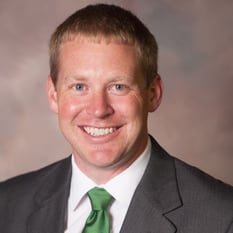
Amanda Hines
Director of Patient Financial Services, Essentia Health
Amanda is the Director of Patient Financial Services at Essentia Health. Amanda has been in healthcare revenue cycle leadership for over 18 years. Prior to joining Essentia Health in 2014, Amanda served as an Operations Director for a MN-based healthcare outsourcing company where she focused mainly on self-pay collections and call center management. Amanda’s progressive leadership experiences have created a passion for exceeding financial and strategic organizational objectives, as well as transforming staff into exceptional leaders that are critical to any healthcare organization’s operational success. Amanda earned a Master’s of Science in Management and Leadership from Western Governors University and a Bachelor’s degree from Saint Cloud State University.

Let's talk!
Connect with a revenue cycle expert to discover a custom plan to amplify your revenue cycle with our transformative technology and services.